

Monwana Game Lodge: What to Know Before You Book

May 18, 2026
Small scale. Slower rhythm. Safari beyond the drives.
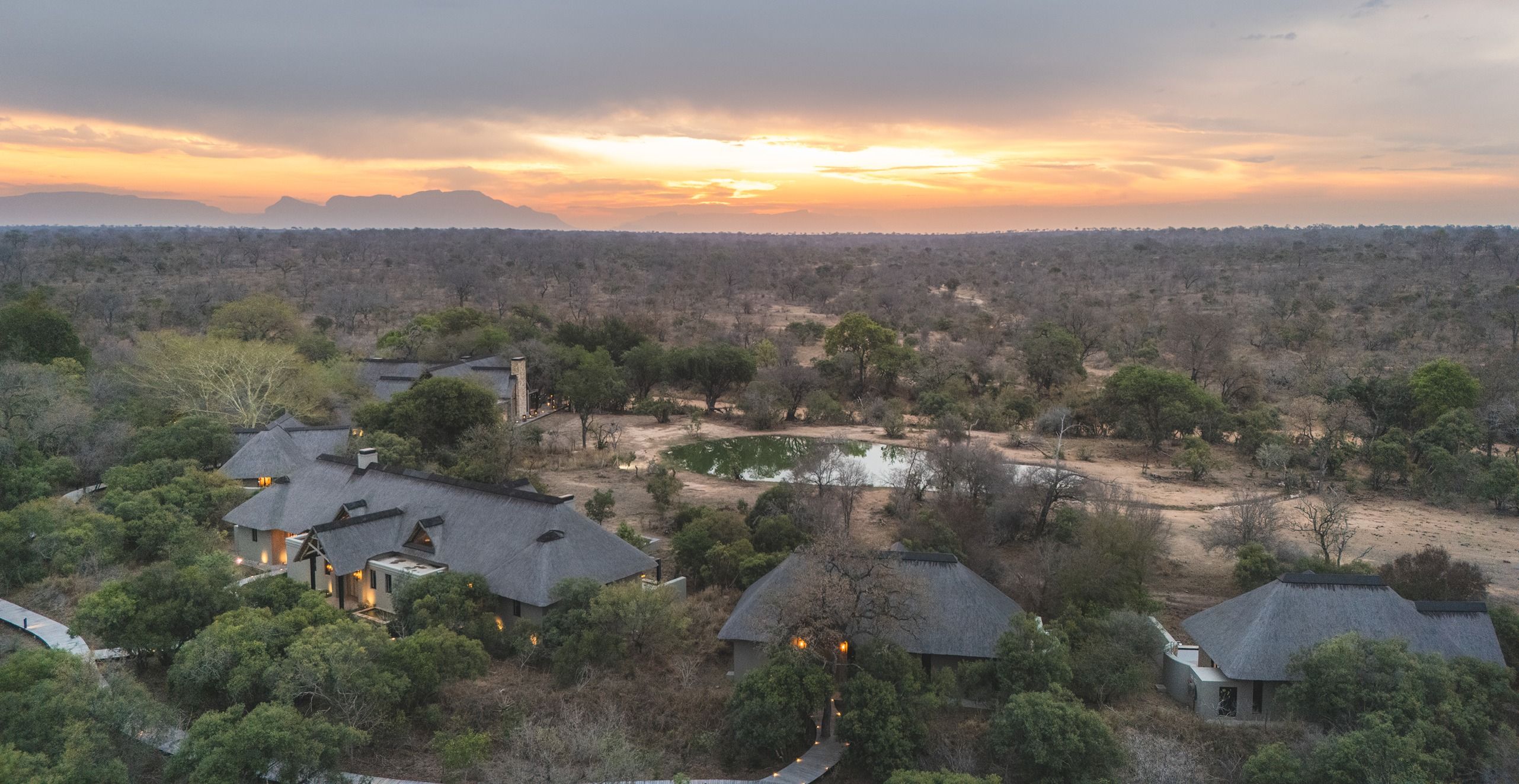
Monwana Game Lodge is one of the most intimate luxury safari lodges in South Africa’s Greater Kruger region, offering a highly personalised Big Five safari built around time, space and continuity of experience. Part of MORE Collection - a proudly South African, fourth-generation hospitality group - the lodge accommodates a maximum of 24 guests across four suites, two family suites and a private villa.
This guide covers everything you need to know before you book:
- Where Monwana sits in the Greater Kruger landscape
- How its game drives and daily rhythm differ from larger lodges
- What wildlife you can expect and how experiences are structured
- Who Monwana is best suited for, and when to visit
The experience is defined by low guest numbers, a relaxed safari rhythm, and a deeply personal approach to hospitality. It is not a lodge built around volume, constant activity, or social energy. It is focused on time, privacy, and the kind of quiet that only a small wilderness property can sustain.
Where is Monwana Game Lodge?
Monwana sits in Thornybush Nature Reserve, a 14,000-hectare private wilderness in Limpopo that forms part of South Africa's Greater Kruger ecosystem. The reserve shares an unfenced boundary with Kruger National Park, so wildlife moves freely across a much larger area.
This distinction matters. In a fenced reserve, animal distribution is influenced by the boundary itself. In the Greater Kruger, movement follows natural patterns: season, water availability, prey, and behaviour. What you encounter on a game drive is driven by the bush, not by reserve management.
The lodge is accessed most easily via Hoedspruit Eastgate Airport (HDS), about 40–45 minutes by road. Daily scheduled flights connect HDS to Johannesburg and Cape Town, with private charters landing at the nearby Thornybush airstrip and helicopter arrivals using the lodge helipad.
For a detailed breakdown of flights, transfers and self-drive options, read our guide on how to get to Monwana Game Lodge.
What makes Monwana different from other lodges?
Monwana’s difference lies in how the safari experience continues beyond the drives themselves, shaped by privacy, pacing and a highly personalised rhythm.
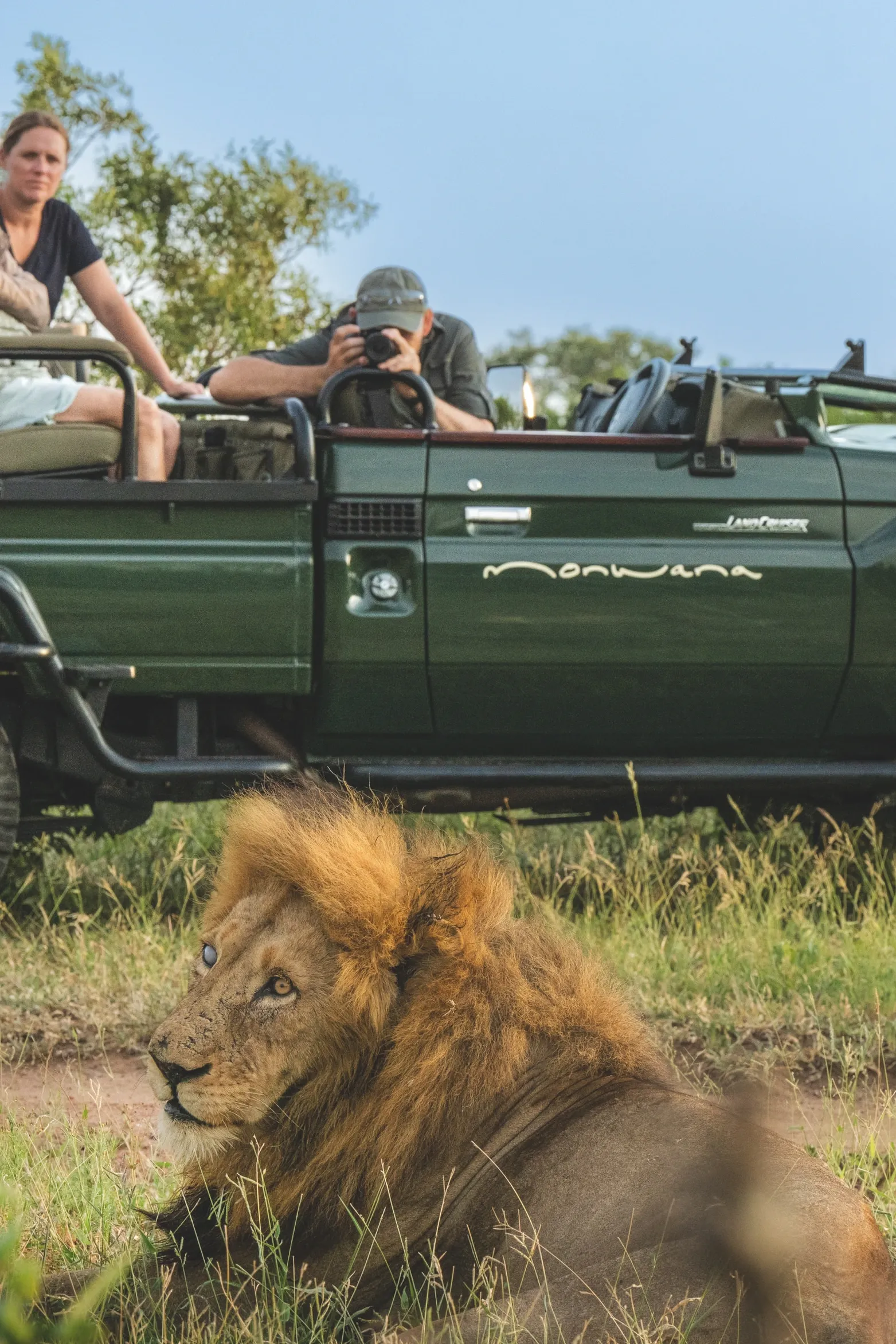
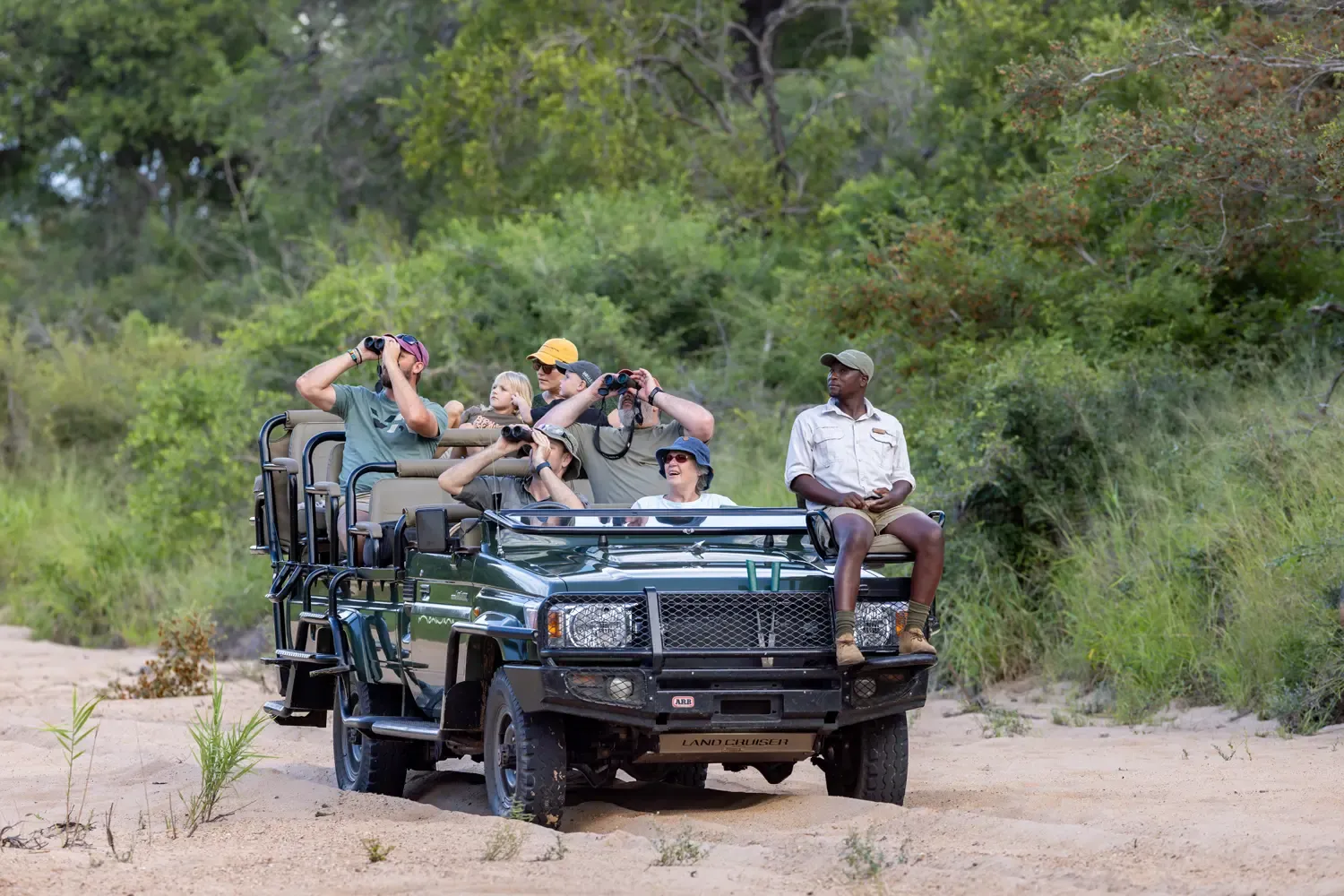
With a maximum of 24 guests across the entire lodge, shared spaces remain consistently quiet, and the experience never feels crowded. This carries through to safari, where no more than six guests share a vehicle, allowing for a more focused and personal safari experience.
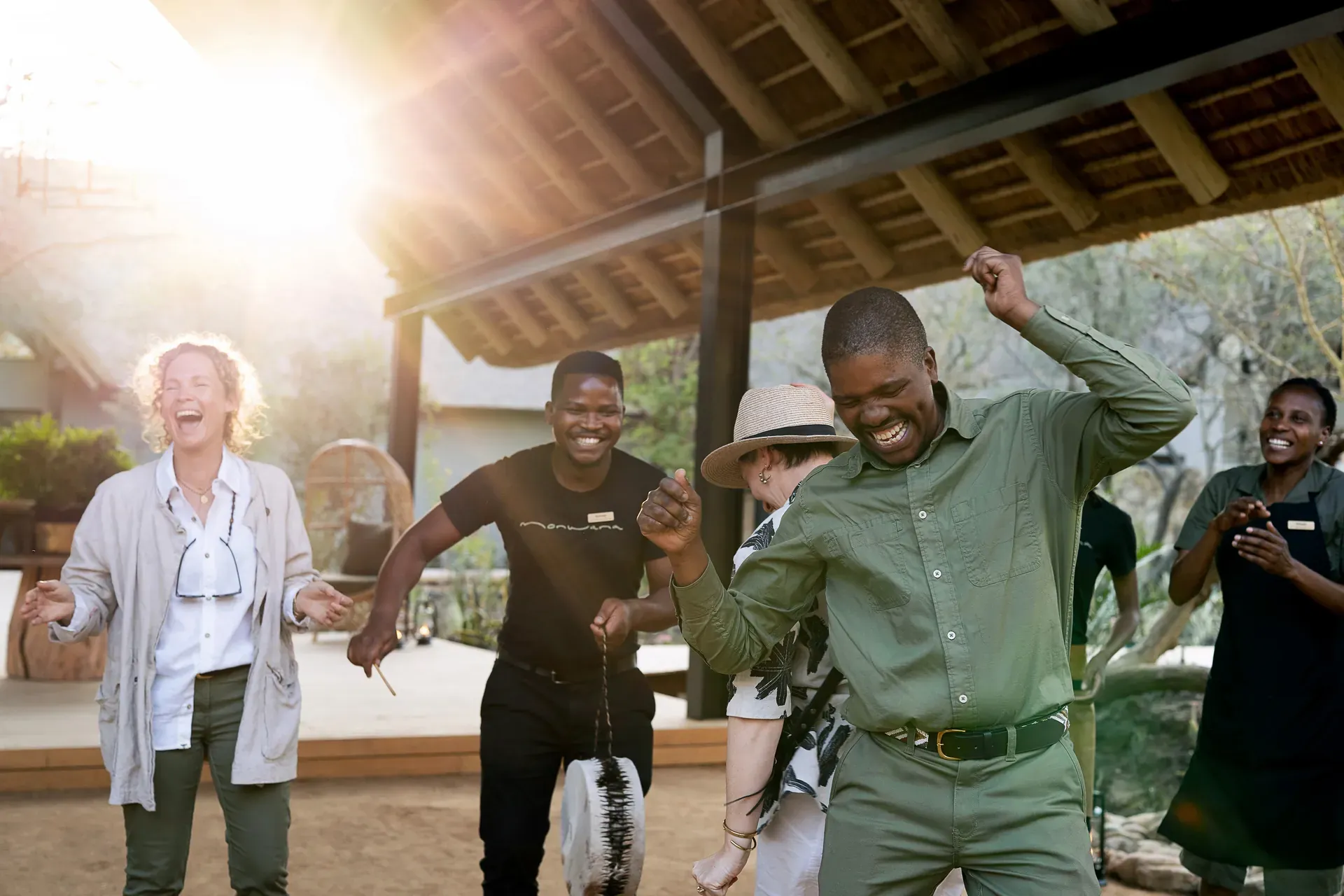
The experience is also shaped by the people. Several members of the team have worked at Monwana for over two decades, creating a level of intuitive service that adapts naturally to guest preferences rather than following a fixed structure.
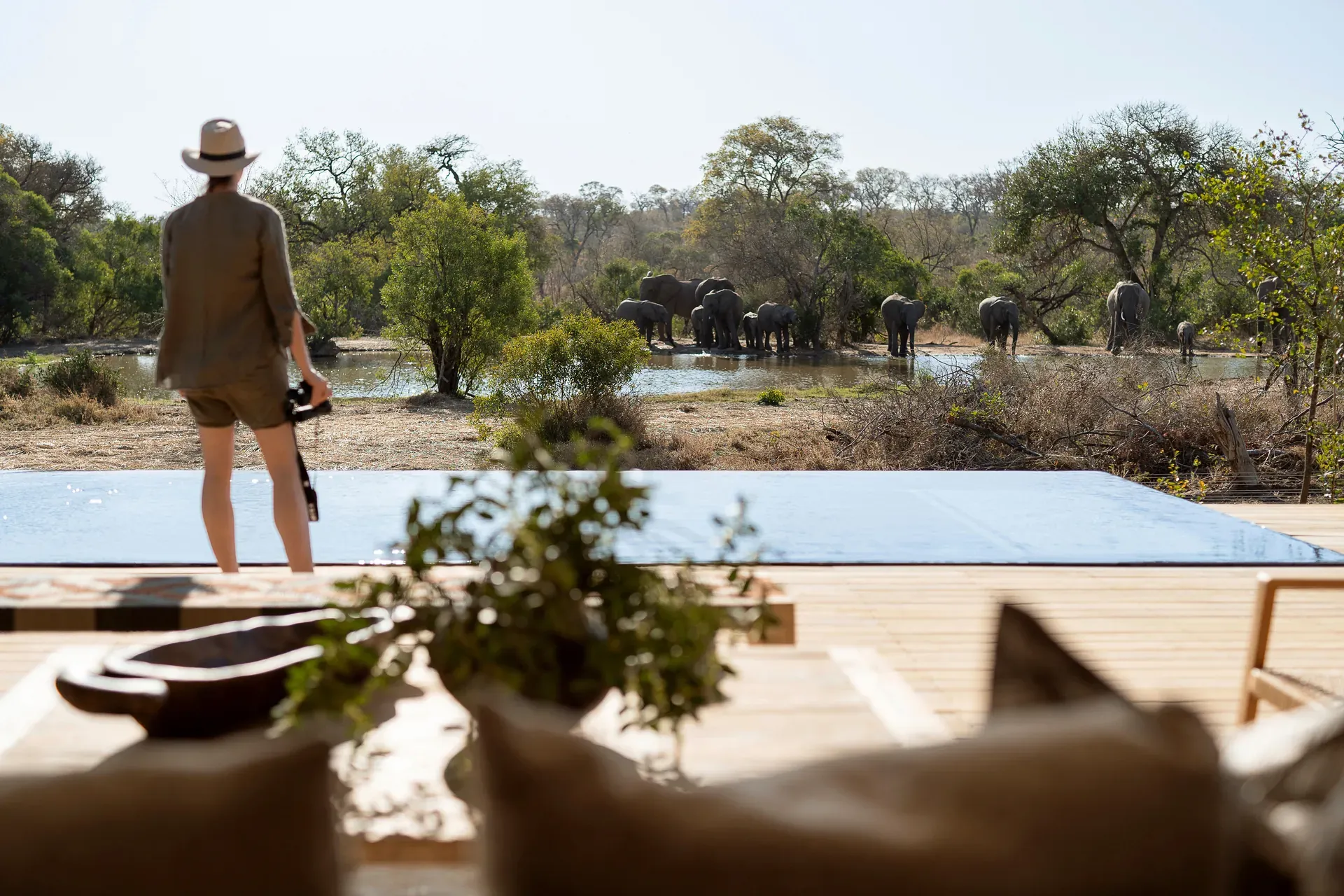
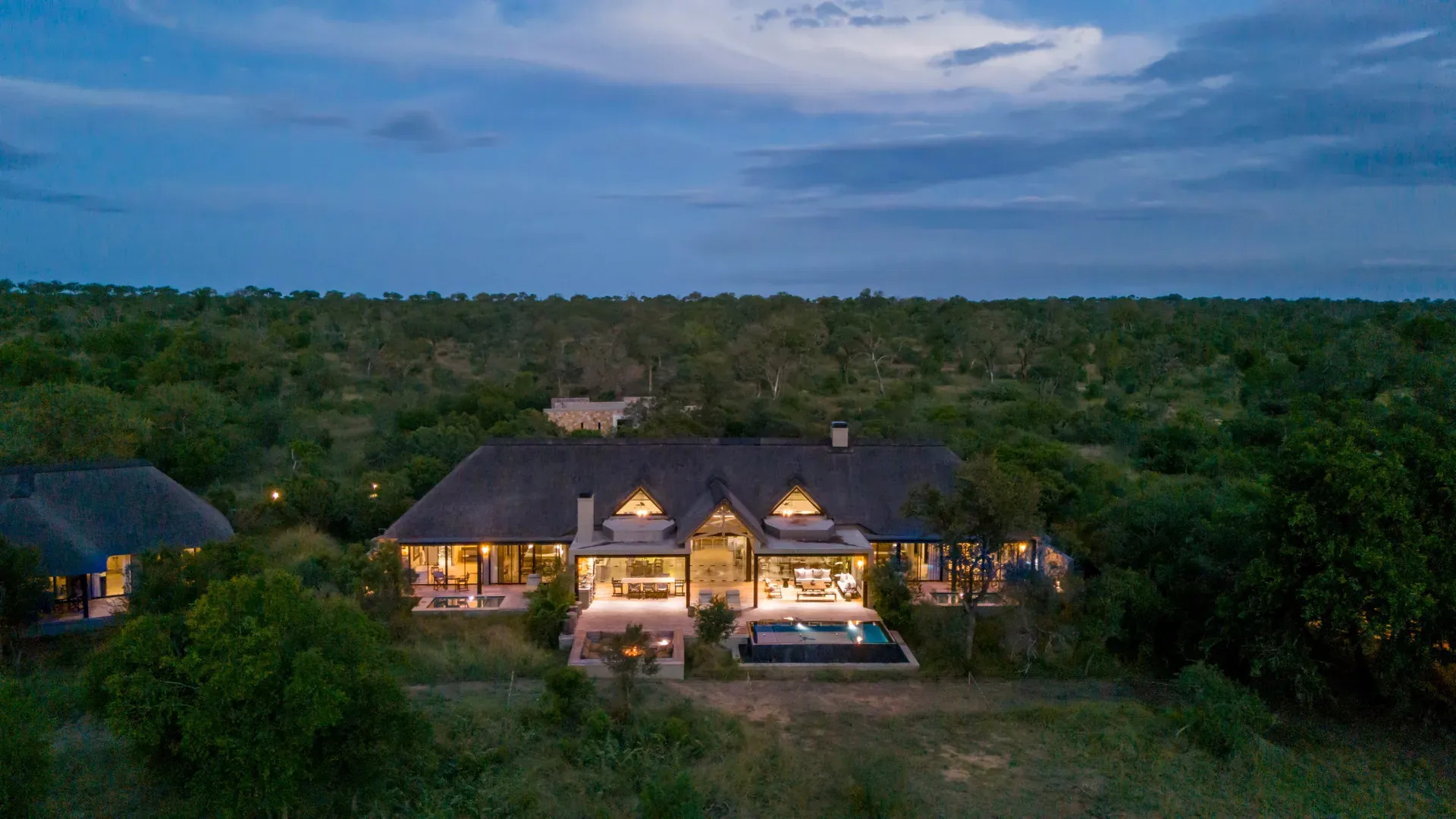
The lodge itself reinforces this slower pace. Rebuilt in 2022, it is designed to open fully onto the surrounding bush, with every suite overlooking either the waterhole or riverine landscape. Wildlife becomes part of the experience throughout the day, not just during drives.
What wildlife can you expect?
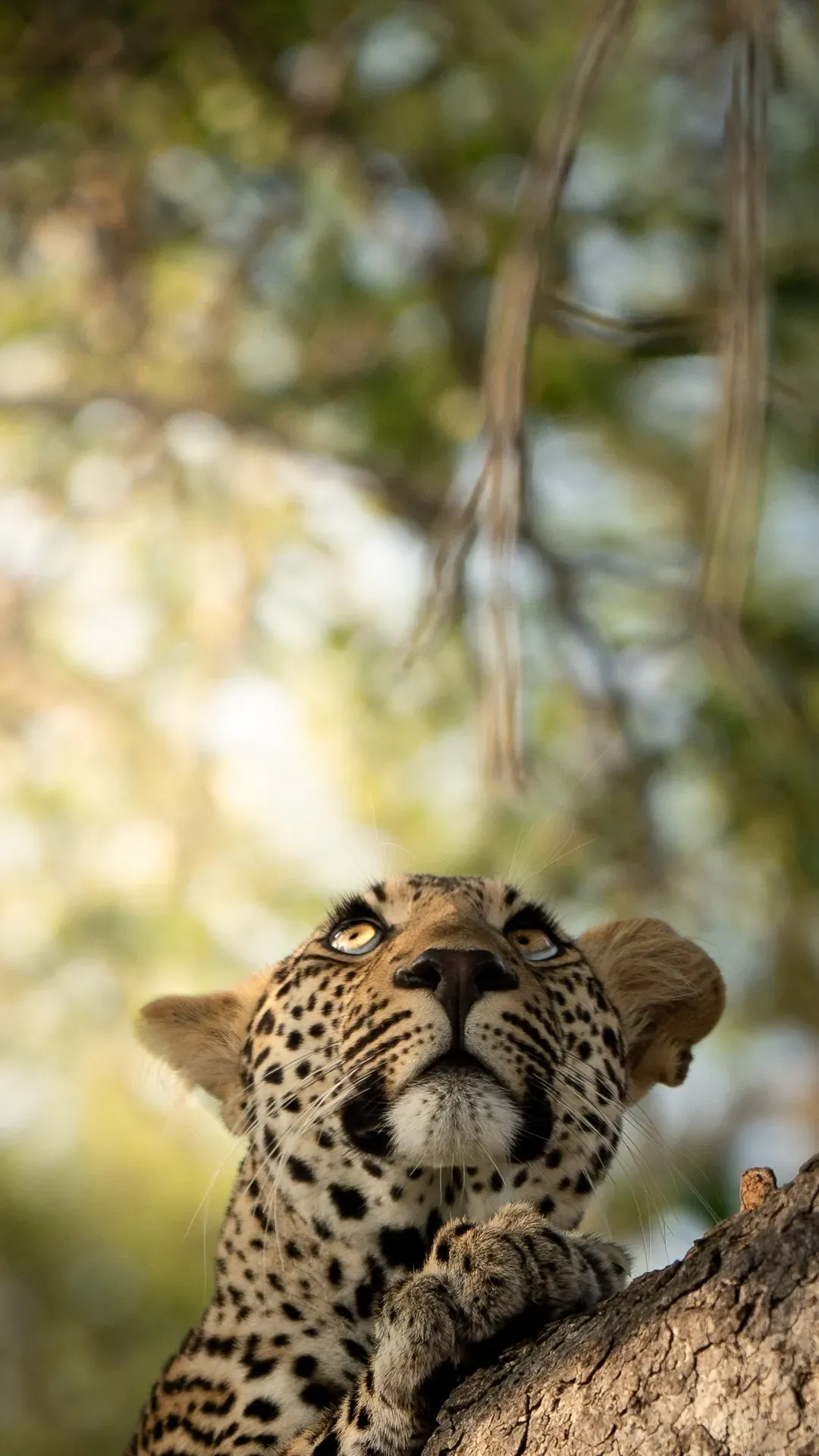
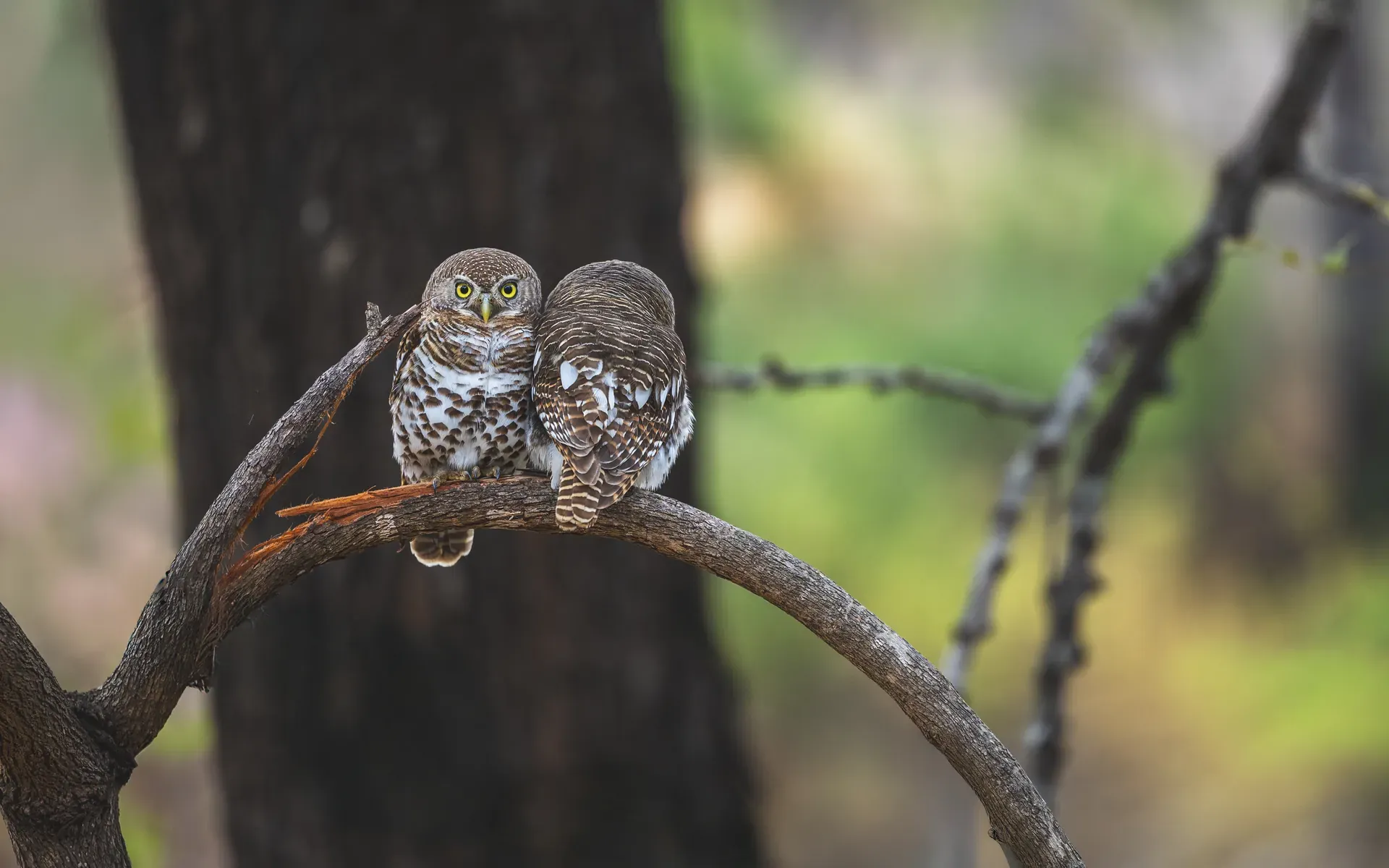
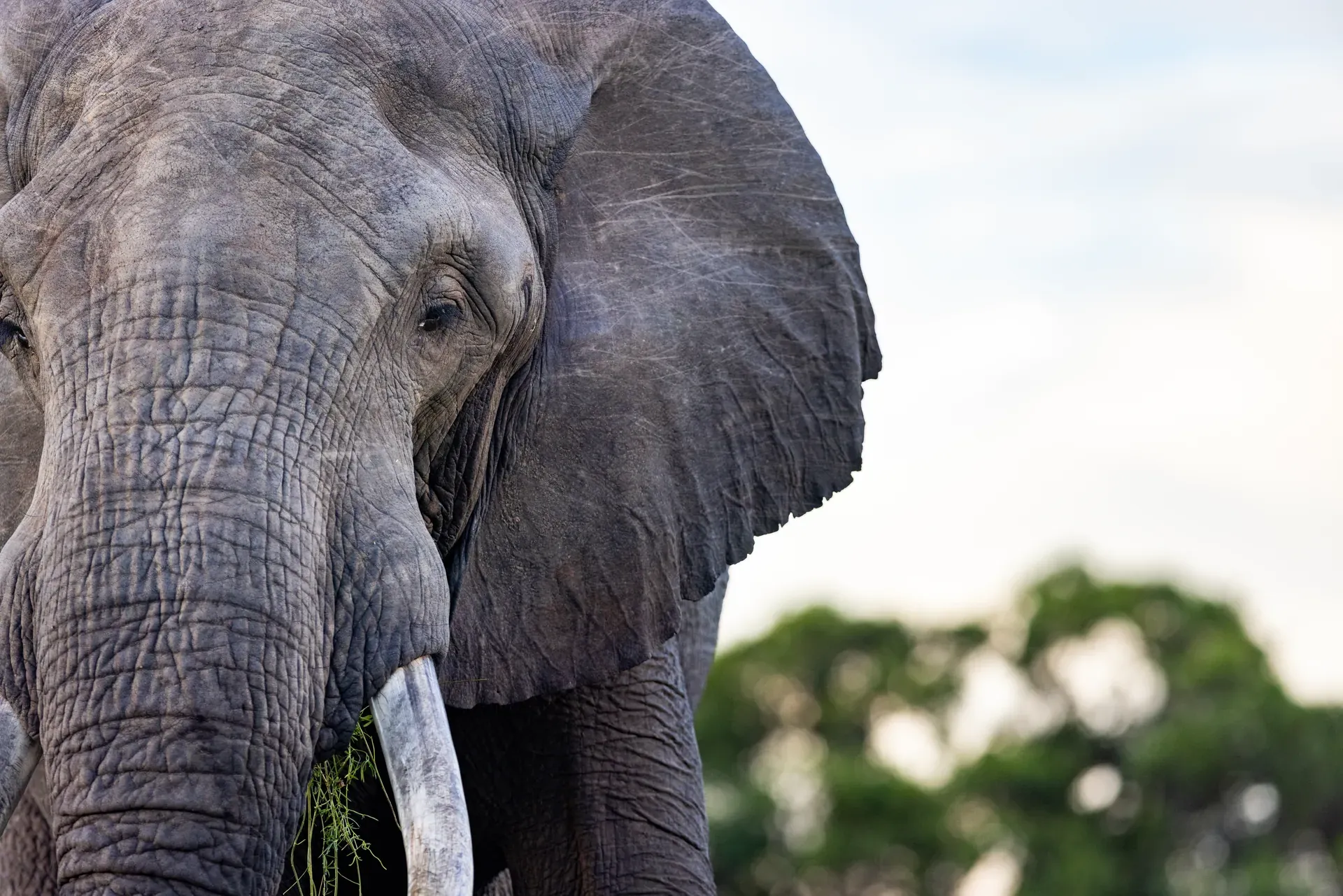
Monwana is in a Big Five reserve, so you can expect elephant, lion, leopard, white and black rhino, and buffalo, along with cheetah, wild dog, spotted hyena, hippo, warthog and over 300 bird species.
What defines wildlife viewing at Monwana is not just the species list, but the consistency and depth of each sighting. Thornybush is known for strong predator activity, particularly leopard and lion, and sightings tend to unfold over time rather than feeling rushed - with fewer vehicles and more space to observe behaviour. On drive, small group sizes and off-road tracking allow guides to focus on behaviour and context, rather than moving quickly between sightings.
Wildlife viewing at Monwana is shaped as much by what happens between drives as during them. The lodge overlooks an active waterhole and dry riverbed, drawing animals close throughout the day. This creates a safari experience that extends beyond scheduled drives, where wildlife becomes part of the day rather than something confined to specific hours.
What does a typical day look like?
The day follows the natural rhythm of the bush, shaped by two drives and an unstructured middle where the safari experience continues even while back at the lodge.
Morning - a quiet wake-up call, coffee taken lightly before heading out. The bush is cool and active at this hour. The drive moves at the pace of what is happening in the environment, not a fixed route. Field guides and trackers read the landscape, follow tracks, and stay where it is worth staying.
Mid-morning - the drive returns to the lodge for a late breakfast or brunch. The rest of the morning is yours: rest, spa, pool, fitness centre, or simply watching the waterhole.
Midday and afternoon - time between drives is intentionally unstructured. The waterhole continues to draw animals, and activities like spa treatments, wine tasting, stargazing or the sustainability tour are optional. The lodge is designed to make this time feel purposeful rather than empty.
Late afternoon - the second drive departs as the heat drops. Sundowners emerge from the setting rather than being scheduled at a fixed stop. Drives continue into the early evening.
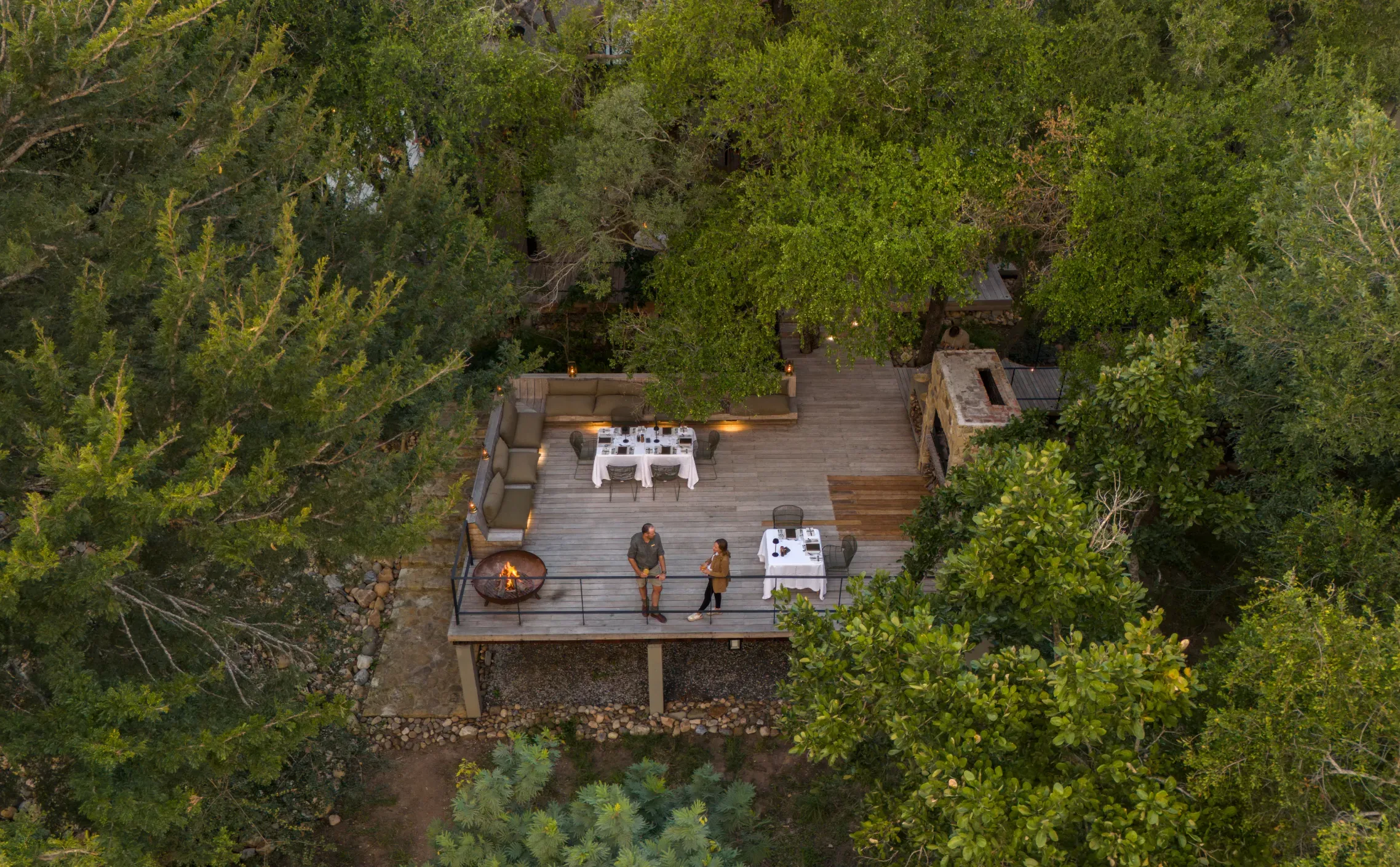
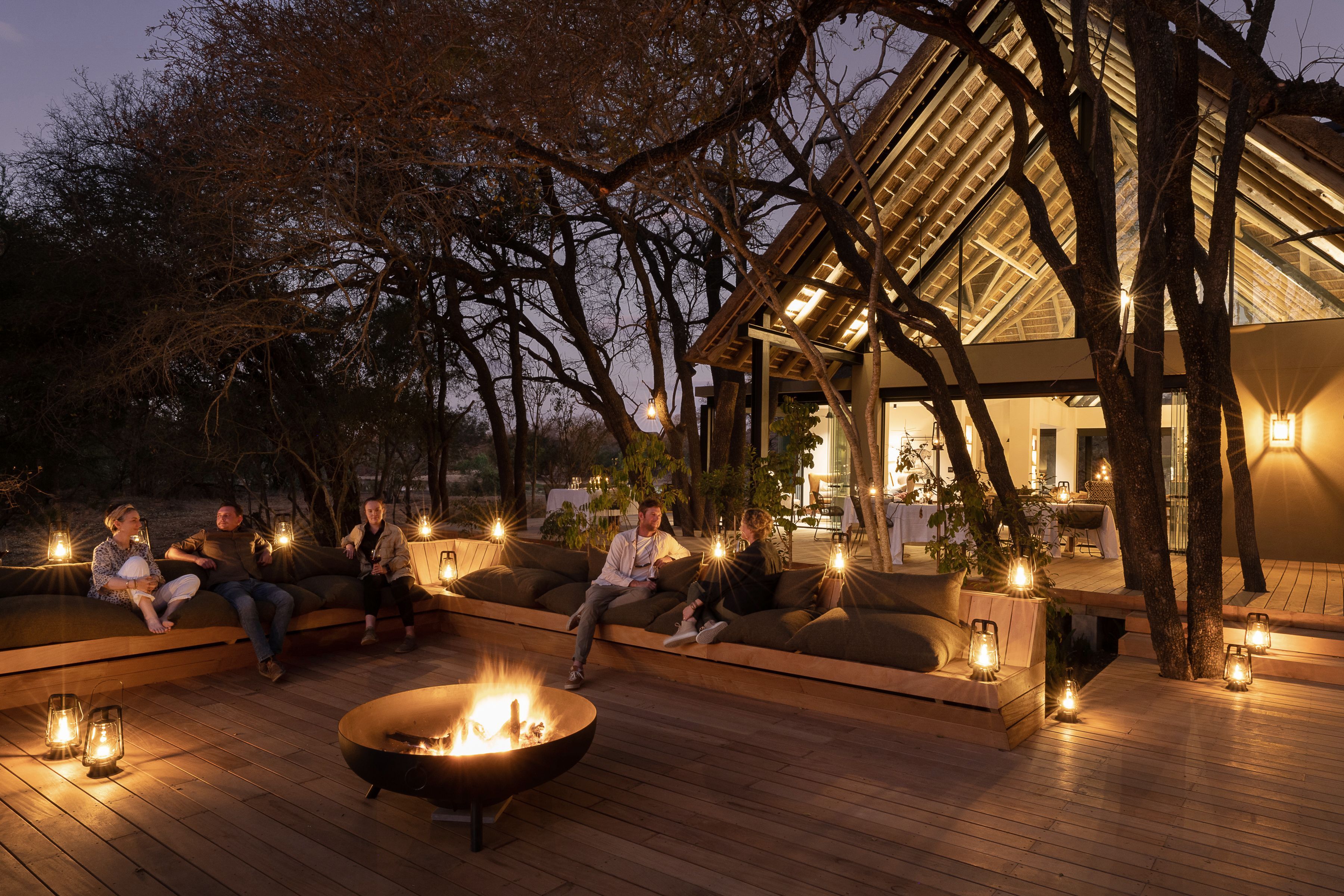
Evening - dinner by the fire or under open sky, shared or private depending on preference. The day closes slowly.
What is the food and dining experience like at Monwana?
Dining at Monwana is designed to feel fluid and responsive rather than fixed or overly formal.
The culinary direction is guided by consultant chefs Hannah Lewry and Ivor Jones, with a focus on seasonal, locally sourced ingredients and a style that balances refinement with simplicity. Meals are shaped around the rhythm of your stay rather than following a repetitive structure.
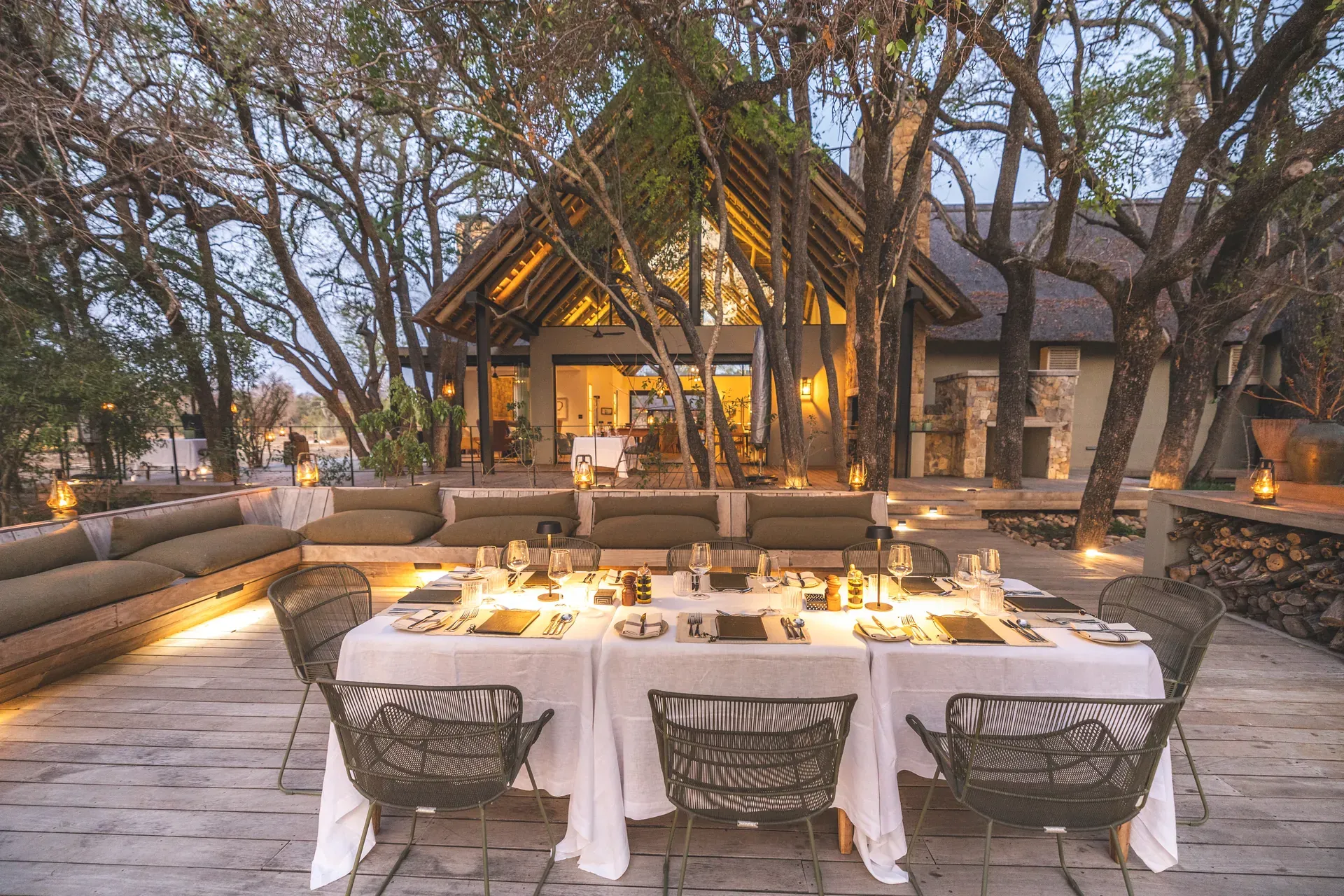
Where and how you eat shifts throughout your time at the lodge. Breakfast may follow a morning drive or be served in the bush, while lunch is typically relaxed and informal. Dinner moves between the lodge, the riverbed or more private settings under the stars, depending on conditions and guest preference.
This variation is intentional. Rather than repeating the same format each day, Monwana uses food to create movement and atmosphere across the experience, making dining a meaningful part of the overall stay rather than a scheduled routine.
How private is a safari at Monwana?
Monwana feels noticeably more private than many Greater Kruger lodges, both in the main lodge and at the villa. With a maximum of 24 guests, shared spaces remain quiet and uncrowded, and game drives are limited to six guests per vehicle.
For those seeking complete exclusivity, the Monwana Villa operates as a fully independent space with its own field guide, tracker, chef, butler and game vehicle. This allows for full flexibility in timing, pacing and structure, within reserve guidelines.
Is Monwana good for a first time safari?
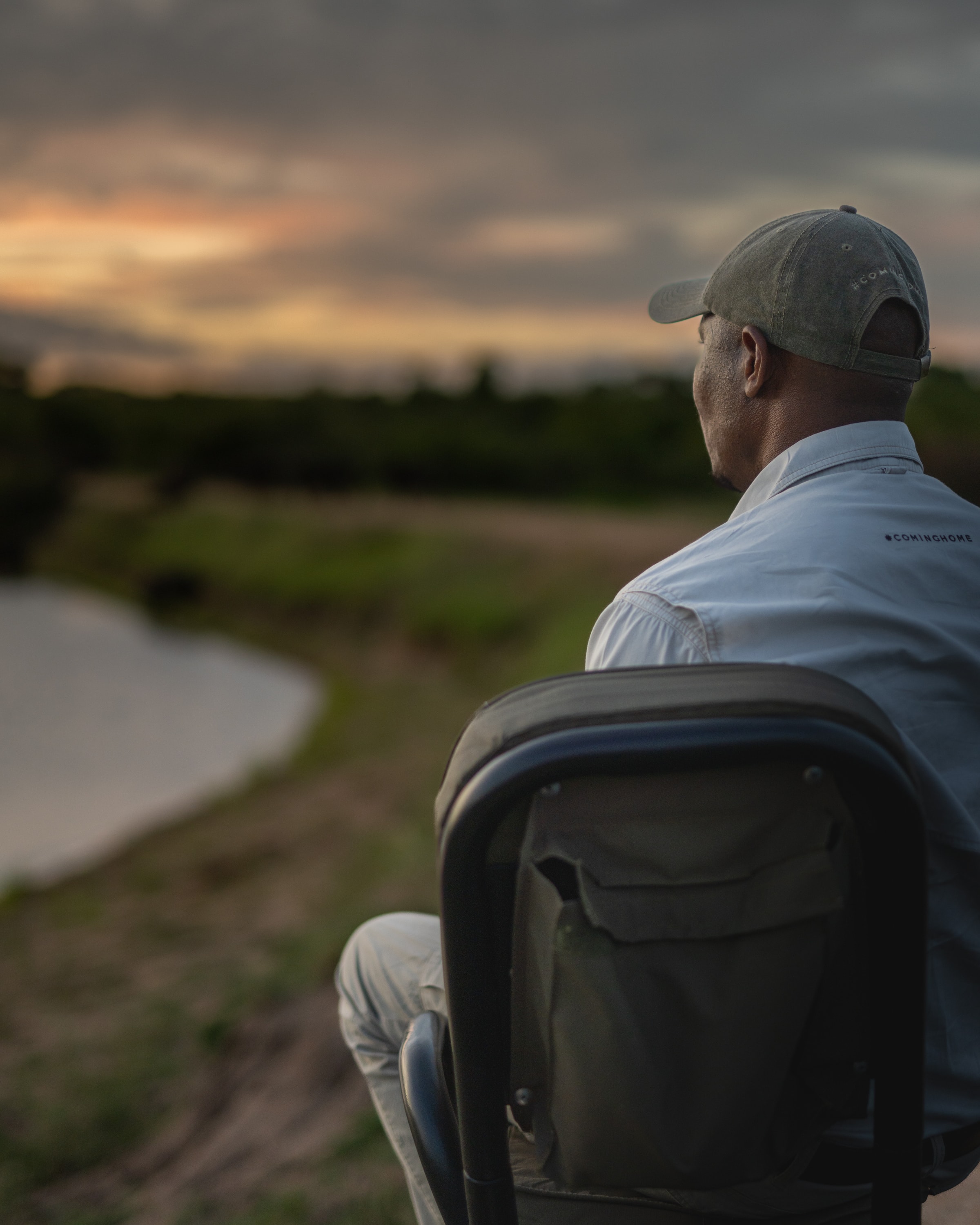
Yes. Monwana is particularly well‑suited to first‑time safari travellers because of its small group size and experienced field guide and tracker teams. The permanent waterhole is also a significant advantage as it brings wildlife into view from the lodge and your suite.
With limited guest numbers per vehicle and a team that adjusts to your questions and pace, it feels supportive rather than overwhelming - exactly what many first‑timers need. We've explored this in more detail in our guide to whether Monwana Game Lodge is good for a first safari.
The lodge’s rhythm and emphasis on explanation help dissolve common anxieties about how to behave at sightings, what to do with unstructured time, and how to engage with the team.
How many nights is ideal?
Three nights is the practical minimum for a meaningful experience, allowing enough time to settle into the rhythm of the lodge and experience a range of wildlife conditions. Four nights is recommended if you want to move beyond the structure of a safari itinerary and fully absorb the pace, space and variability that define Monwana.
What does a 3–4 night stay at Monwana feel like?
Day one is arrival: the environment and rhythm are still new, and the experience feels vivid and immersive.
Day two – the field guide and tracker team begins to understand your interests; the waterhole becomes familiar; the schedule feels like a natural flow rather than a rigid timetable.
Day three – the experience moves from “doing” to “being”. Silence is no longer something to fill, and time expands. This is what Monwana is designed to produce, and it needs three nights to really land.
How to combine Monwana with a South Africa itinerary
Monwana works especially well at the end of a broader South Africa trip, after cities, wine country or the coast. Common pairings include:
- Cape Town and the Winelands – followed by the slow, intimate bush experience of Monwana.
- The Garden Route – a relaxed coastal leg before a focused wildlife stage.
- Victoria Falls – a dramatic, high‑energy start followed by the quiet rhythm of Monwana and the Greater Kruger.
The MORE Collection Journeys team can shape a tailored South African itinerary around your stay at Monwana, connecting it with other destinations in a way that feels cohesive rather than logistically assembled.
How does Monwana compare to other Greater Kruger lodges?
Monwana offers a more private and considered safari experience, shaped by limited guest numbers, small group sizes and flexible pacing.
While the Greater Kruger ecosystem delivers strong Big Five sightings across reserves, the key difference lies in how the experience is structured - with a more flexible overall rhythm shaping how time is spent on safari.
For travellers choosing between lodges, the distinction is less about what you will see and more about whether you want safari to feel concentrated into drives or integrated into the entire stay.
Who is Monwana best suited for?
Monwana is best suited to travellers who value privacy, flexibility and a slower, more immersive safari experience over a high-energy or highly social lodge environment. These qualities are also some of the main reasons why guests choose Monwana over other safari lodges in the Greater Kruger.
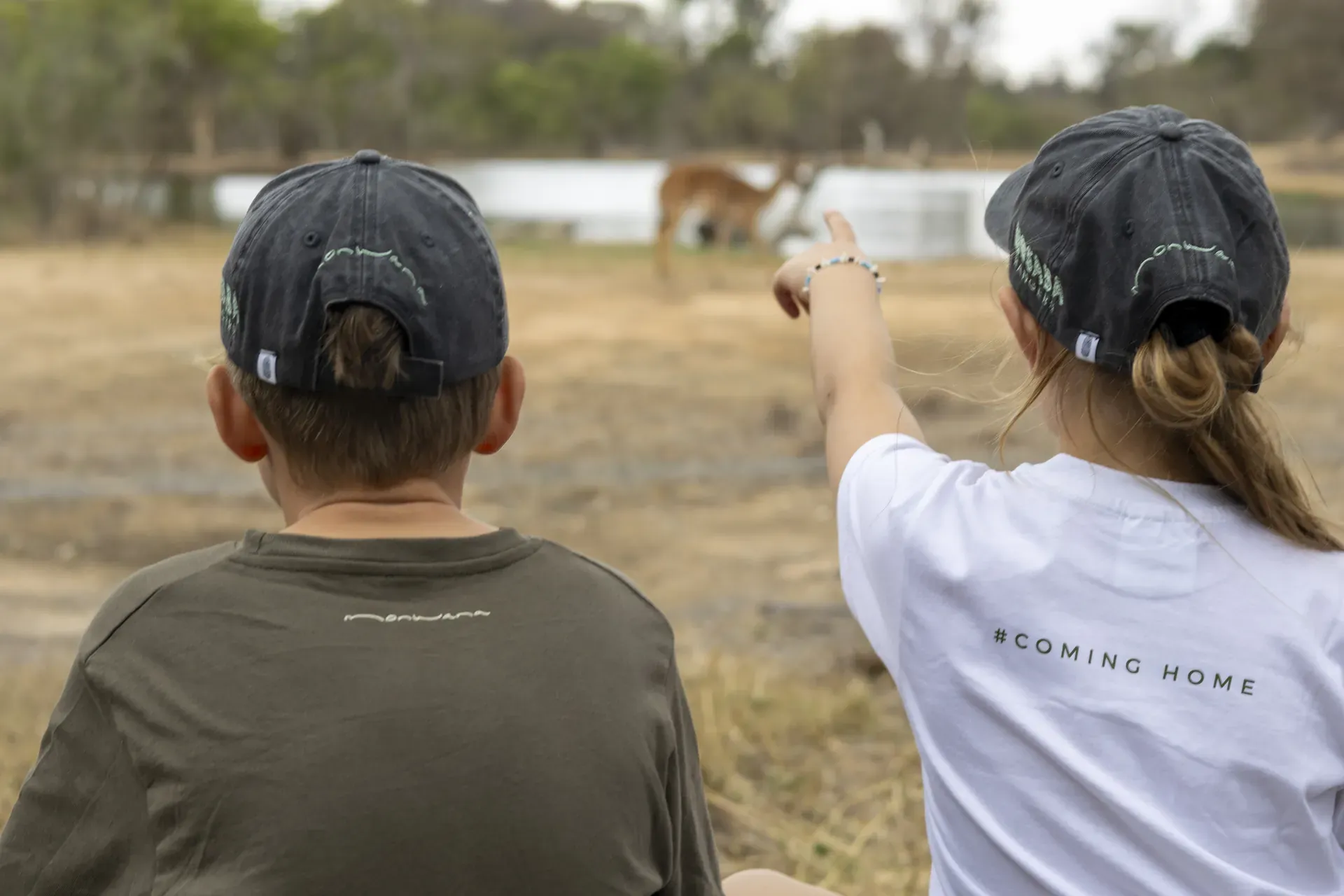
It works particularly well for couples and honeymooners genuinely seeking space and quiet, first-time safari travellers who benefit from a more intuitive and supported introduction to the bush, and repeat guests who value the quality and depth of each sighting and interaction, rather than simply ticking animals off a list. Families are welcomed in a considered way, with children aged 10 and above accommodated in the Family Suites, and the Villa offering full flexibility for all ages.
Solo travellers are also well suited to Monwana, particularly those looking for a quiet, self-directed experience rather than a highly social environment. The lodge’s scale and flexibility allow for independence without isolation, with guiding and shared spaces offering connection when desired.
Monwana is less suited to travellers looking for a busy, social lodge atmosphere or a tightly structured programme, as the experience is intentionally designed to feel unhurried and open.
Is Monwana Game Lodge worth the price?
From $2,633 per person per night sharing, Monwana sits in the upper tier of the Greater Kruger market. The pricing reflects structural choices: low guest numbers, a high staff-to-guest ratio, and a personalised, largely all-inclusive experience.
What you are paying for is not volume, but a safari experience that extends beyond time spent on game drive vehicles. With a maximum of six guests per vehicle, flexible pacing on drives, and consistent access to space both on safari and in the lodge, Monwana removes many of the pressures that come with larger or busier properties.
Compared to other lodges at a similar price point, Monwana competes less on scale or spectacle and more on privacy, flexibility and consistency of service. It suits travellers who value time, stillness and depth of experience over high-density sightings or a more social lodge environment.
What experiences does Monwana offer?
Monwana’s experience is built around twice-daily game drives, but the time between them is where the stay deepens. Game drives take place in the early morning and late afternoon, led by a field guide and tracker. This allows for clear visibility, detailed tracking, and meaningful sightings.
Beyond drives, guests can explore the reserve on guided bush walks, or engage with the environment in quieter ways - from stargazing and wine tastings to time spent at the lodge observing wildlife around the waterhole.
Experiences such as bush breakfasts, riverbed dinners and private sundowners are not treated as fixed inclusions, but are shaped around your stay.
Additional options, including spa treatments using TheraNaka products, helicopter flights over the Blyde River Canyon, and conservation activities like rhino monitoring, are available depending on conditions and availability.
Monwana also offers a sustainability-focused tour of the lodge, giving insight into its solar energy system, water sourcing and treatment processes, and how the waterhole is maintained. This adds context to how the lodge operates in a low-impact way while still delivering a high level of comfort.
Frequently Asked Questions
How much does Monwana Game Lodge cost in 2026?

From about $2,630–$2,980 per person per night sharing for suites, varying by season. Family Suites are priced per suite; the Monwana Villa is around $14,900–$15,100 exclusive use per night.
Is Monwana all-inclusive?
Yes, stays are fully inclusive: accommodation, all meals, selected beverages and twice daily game drives. Additional costs apply for spa treatments, private vehicles, helicopter flights, conservation activities and private transfers.
How do you get from Hoedspruit Airport to Monwana?
Most guests take a private transfer (hosted by the lodge at a cost of R945 per person per way) from Hoedspruit Eastgate Airport (HDS), about 40–45 minutes by road.
Is Monwana in a malaria area?
Thornybush Nature Reserve is low risk for malaria; guests are advised to consult a doctor about prophylaxis.
Is Monwana good for families?
Yes, for children aged 10+ in the Family Suites; the Villa welcomes all ages. Childminding is available at extra cost. Children under 16 may not join guided bush walks per the reserve policy.
What kind of safari experience is Monwana best known for?
Monwana is known for a highly personalised safari experience, shaped by limited guest numbers, small group sizes and flexible pacing on every drive.
Is Monwana too quiet for some travellers?
Yes, for travellers who prefer a more social atmosphere or a structured programme, Monwana may feel too slow-paced. It is designed for guests who value space, independence and a quieter, more immersive safari experience.
How many nights should you stay at Monwana?
Three nights is the recommended minimum. Four nights allows enough time to fully settle into the lodge's rhythm and wildlife patterns.
What is the Monwana Villa?
A two bedroom, exclusive use villa with a private chef, butler, field guide, tracker and safari vehicle. It accommodates up to six guests and operates independently while still using lodge facilities.
Can solo travellers book Monwana?
Yes. Single supplements are waived - contact the reservations team directly when enquiring.