

When is the Best Time to Visit Monwana Game Lodge?

June 24, 2026
The best time to visit Monwana isn't defined by the calendar, but by the kind of safari experience you're looking for.
Monwana Game Lodge offers a rewarding safari experience throughout the year. The dry season (May-September) and green season (October-April) each deliver genuinely different conditions, wildlife behaviour, and atmosphere. There is no single best time to visit. There is only the question of what kind of experience you are looking for.
Both seasons at Monwana are worth experiencing. The choice comes down to the qualities that matter most to you: open sightlines and concentrated wildlife, or dramatic landscapes and newborn animals. What does not change between seasons is the lodge itself, the expertise of our field guides and trackers, and the unhurried pace that defines a stay at Monwana.
Drienie Viljoen, General Manager at Monwana Game Lodge, shares: "When people ask me when to visit, I always ask them what they want to feel. Whatever the season, it’s the same lodge and the same service, but the wilderness changes month to month. Neither season is better. They're just different, and both are worth it."
If you're still deciding whether Monwana is the right fit for your safari, our guide Monwana Game Lodge: What to Know Before You Book provides a complete overview of the lodge, accommodation and overall experience.
What is Monwana like during the dry season?
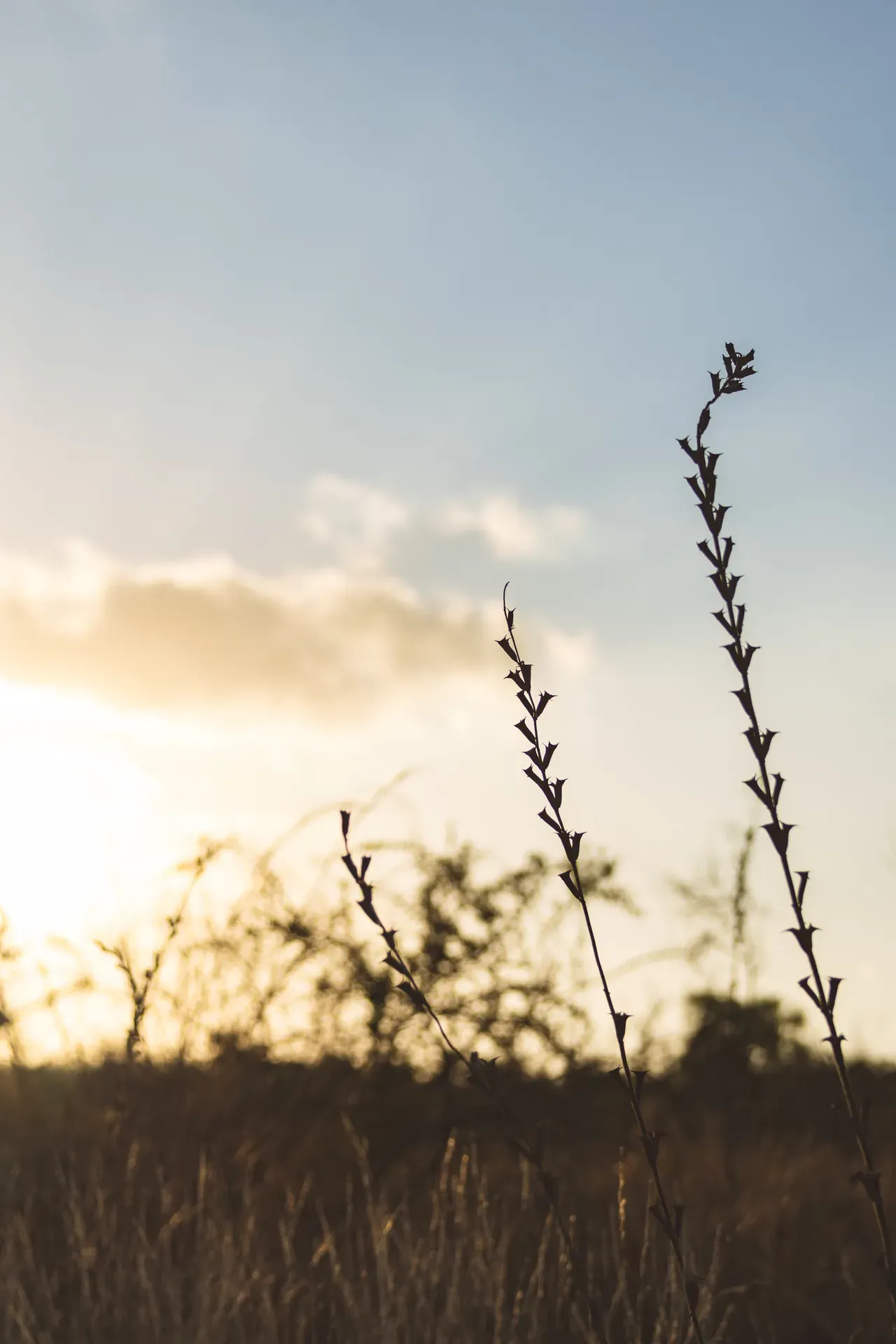
The dry season runs from May through September and offers the conditions most associated with a classic safari: open sightlines, thinning vegetation, golden bushveld, and wildlife drawn reliably to water sources.
As the winter months progress, the bush thins steadily. Grasses recede, trees lose their density, and the landscape opens up in a way that transforms how guests experience the wilderness. “In practice, that means the animals can't hide as easily, and neither can the smaller creatures that are usually harder to spot, “says Drienie. “You start noticing tracks, termite mounds, the way the light falls through bare branches. It’s Africa as most people imagine it."
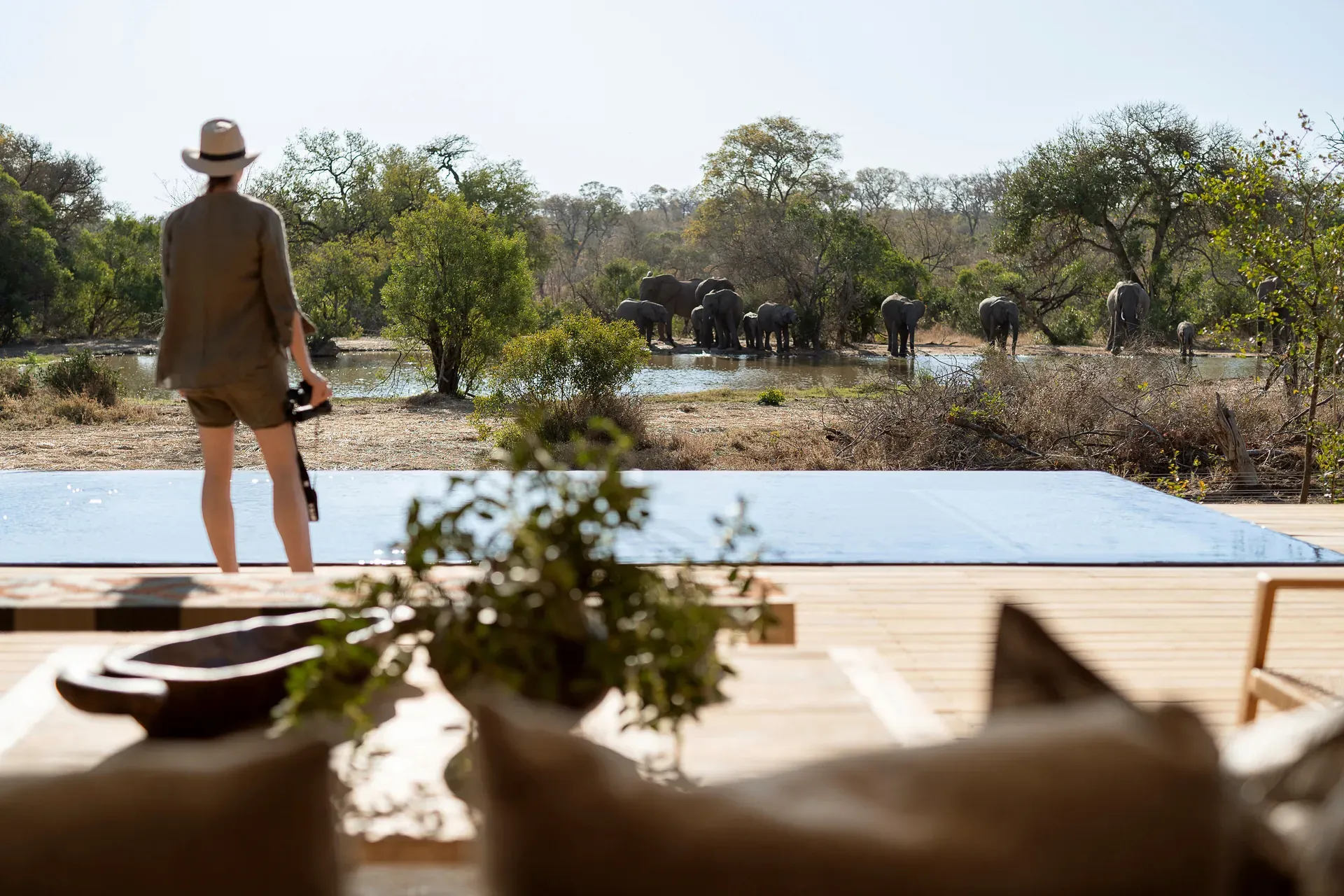
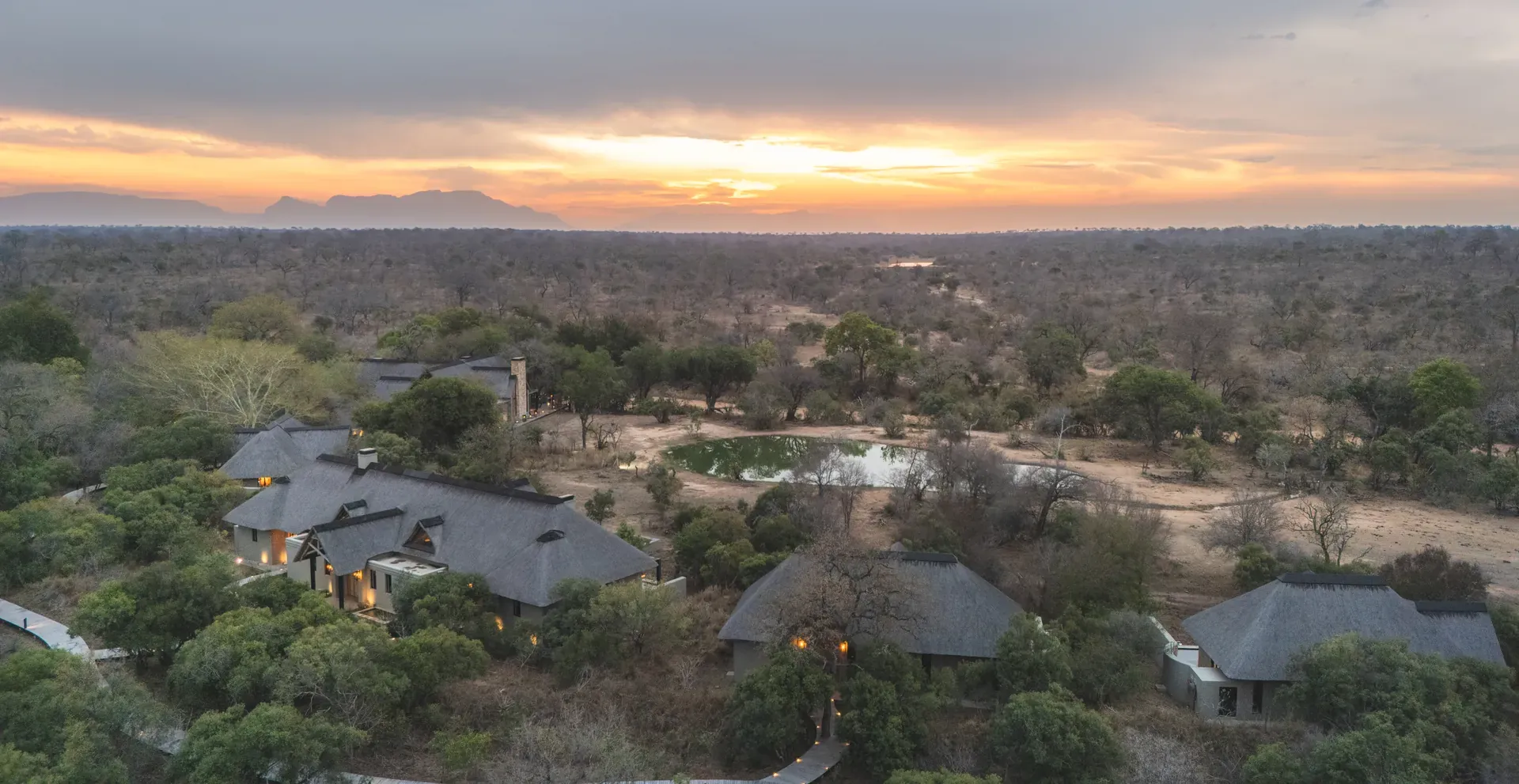
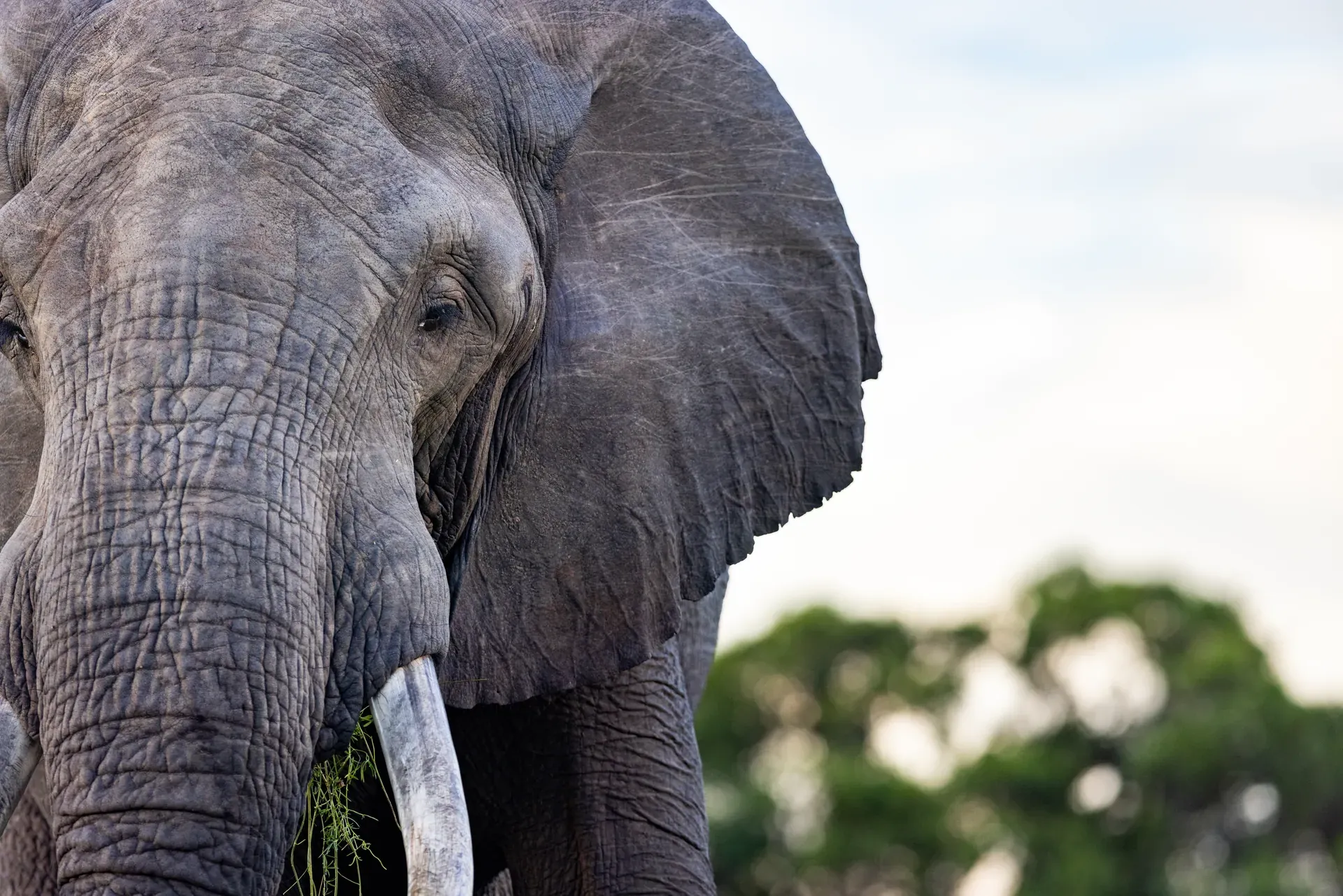
Monwana's on-site waterhole becomes a focal point during the dry season. As water sources across the reserve diminish, wildlife concentrates around those that remain. Breeding herds of elephant and buffalo, some numbering over 100 animals, move through in search of water. Guests who spend time on the deck, or simply sit quietly by the lodge, often find that the wildlife comes to them.
Winter mornings are chilly. A hot drink before the morning drive is a perfect start to the day’s adventure, and a blanket on your game vehicle is a genuine comfort at first light. By mid-morning the air has warmed, and afternoons are generally clear and comfortable. For those who prefer temperate conditions and prefer their Africa in golden, tawny tones, the dry season delivers that.
What is Monwana like during the green season?
The green season runs from October through April. During these months, the landscape fills in – grasses grow tall, trees and bushveld thicken with foliage, and the reserve takes on the rich, green density of a wilderness in abundance. Summer storms build in the late afternoons, producing dramatic cloud formations, a spectacular downpour, and then crisp, clear air and extraordinary post-storm light.
The heat of midsummer is real, and worth factoring in. Early morning and late afternoon game drives remain comfortable and productive; the middle of the day is warm and best spent in the shade of the lodge, a natural rhythm that suits the slower pace Monwana is built around.
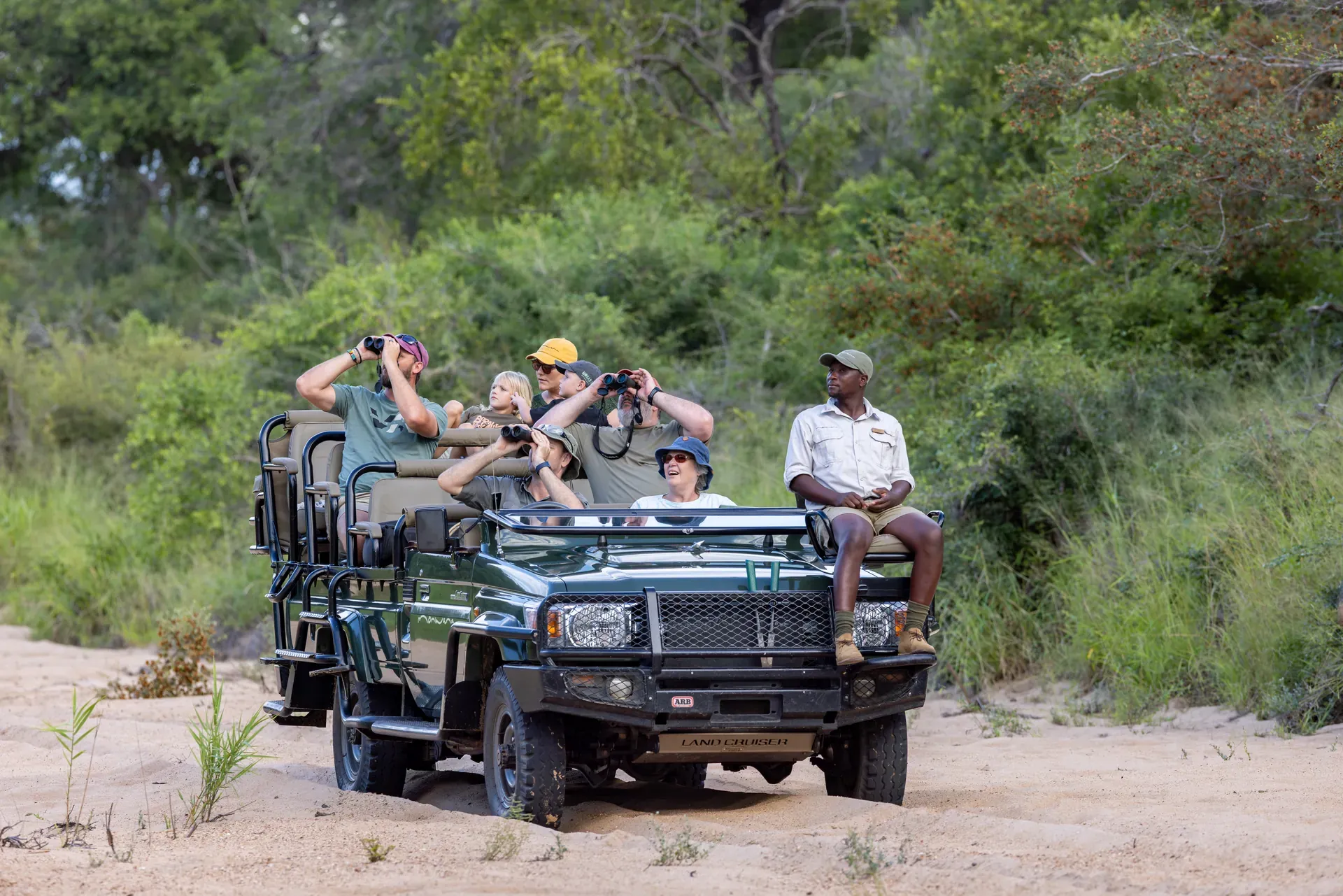
The green season brings some of the most dynamic wildlife behaviour of the year. Newborn impala, zebra, and wildebeest appear from around November, and their presence draws predators. This creates a particular intensity on game drives that is difficult to replicate at any other time of year. The Big Five are present year-round, and the unfenced border with Kruger National Park means wildlife moves freely across a vast ecosystem. The green season does not diminish those sightings. It reframes them, against lush vegetation and dramatic skies.
For birding guests, the green season is the reserve's richest period. Migratory species arrive from October, and the reserve's bird diversity reaches its annual peak. The combination of active waterways, abundant insect life, and dense vegetation supports breeding behaviour across many species, offering birders both volume and variety.
"I've watched guests arrive in November slightly uncertain,” says Drienie. “They've heard the dry season is the 'real' safari season and they're not sure that a summer safari was the right choice. By day two, their doubts are gone. The storms, the newborns, the birdlife… the green season possesses a quality of intensity. It’s hard not to be enamoured by Africa in summer."
Which season offers better wildlife viewing at Monwana?
Both seasons offer strong wildlife viewing. What changes between them is not the quality of sightings but the environment in which those sightings occur.
The dry season brings improved visibility. Thinner vegetation and predictable wildlife concentrations around water, particularly the lodge waterhole, make it easier to locate and observe animals for extended periods. The waterhole is one of Monwana's most distinctive features, especially during the dry season, when it becomes the focal point of the lodge. Many of the reserve’s animals move through in search of water, including herds of elephants, antelope, and other game.
The green season brings active wildlife behaviour: predator-prey dynamics around newborn animals, migratory birdlife at its peak, and a reserve that is visually and ecologically at full expression. Monwana’s FGASA-accredited field guides and trackers are skilled at reading the bush in both seasons. What they look for, and what they find, shifts with the environment. Neither season limits what is possible on a game drive.
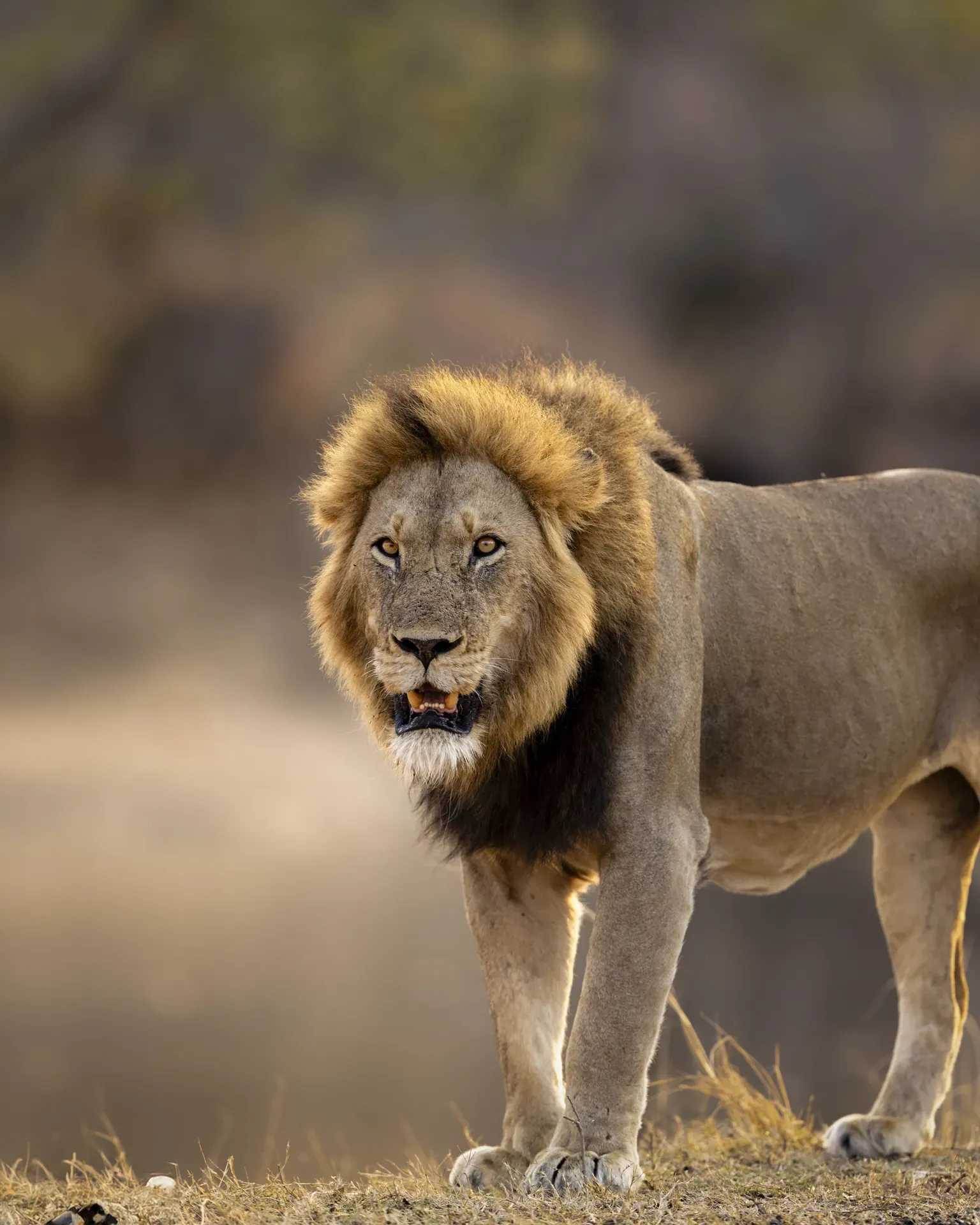
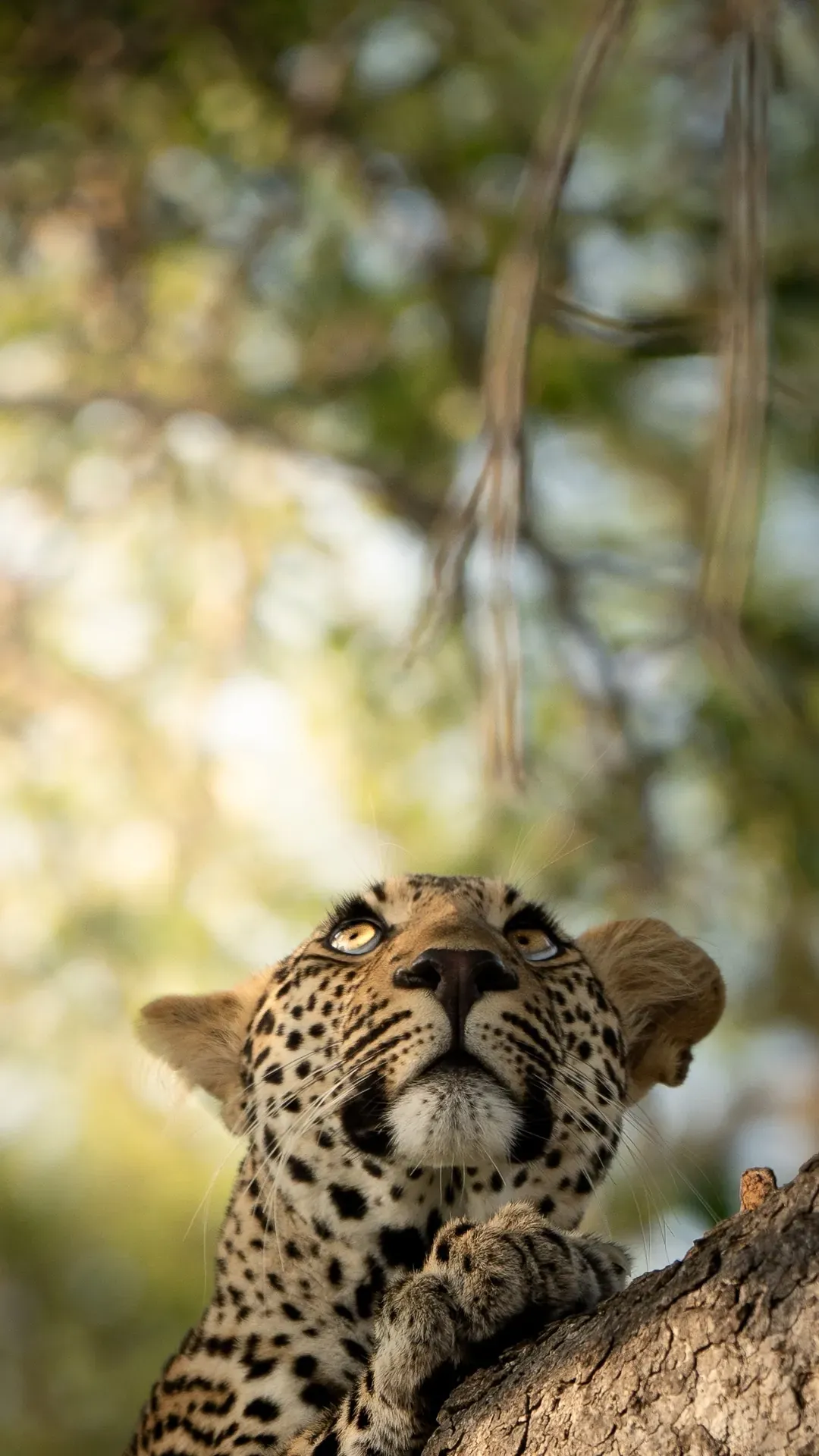
Although the Big Five, breeding herds of elephant and buffalo, and the leopards for which the area is particularly renowned are present year-round, no season guarantees specific safari sightings. What changes between summer and winter is the environment in which those sightings happen, and both settings have their own advantages.
When is the quietest time to visit Monwana?
The shoulder months – April and September – are worth considering for guests who want to combine strong safari conditions with a quieter lodge and reserve experience.
April sits at the end of the green season. The summer rains are tapering off, the bush is still full and lush, most migratory birds are still present, and the heat of midsummer has eased. The reserve is at a kind of seasonal peak: rich conditions, without the intensity of the summer storm months.
September sits at the close of the dry season. Vegetation is at its thinnest, wildlife concentration around the reserve's water sources is strong, and sightlines are at their most open. The peak-season window is beginning to ease, and the lodge is often quieter for it. For guests who want maximum game viewing with a more private atmosphere, September is particularly compelling.
Drienie elaborates: "If someone asks me off the record, I often suggest April or September. You get the best of what the preceding season has built, without the crowds that sometimes come with July or January. It's a well-kept secret we don't mind sharing."
How should guests choose when to visit Monwana Game Lodge?
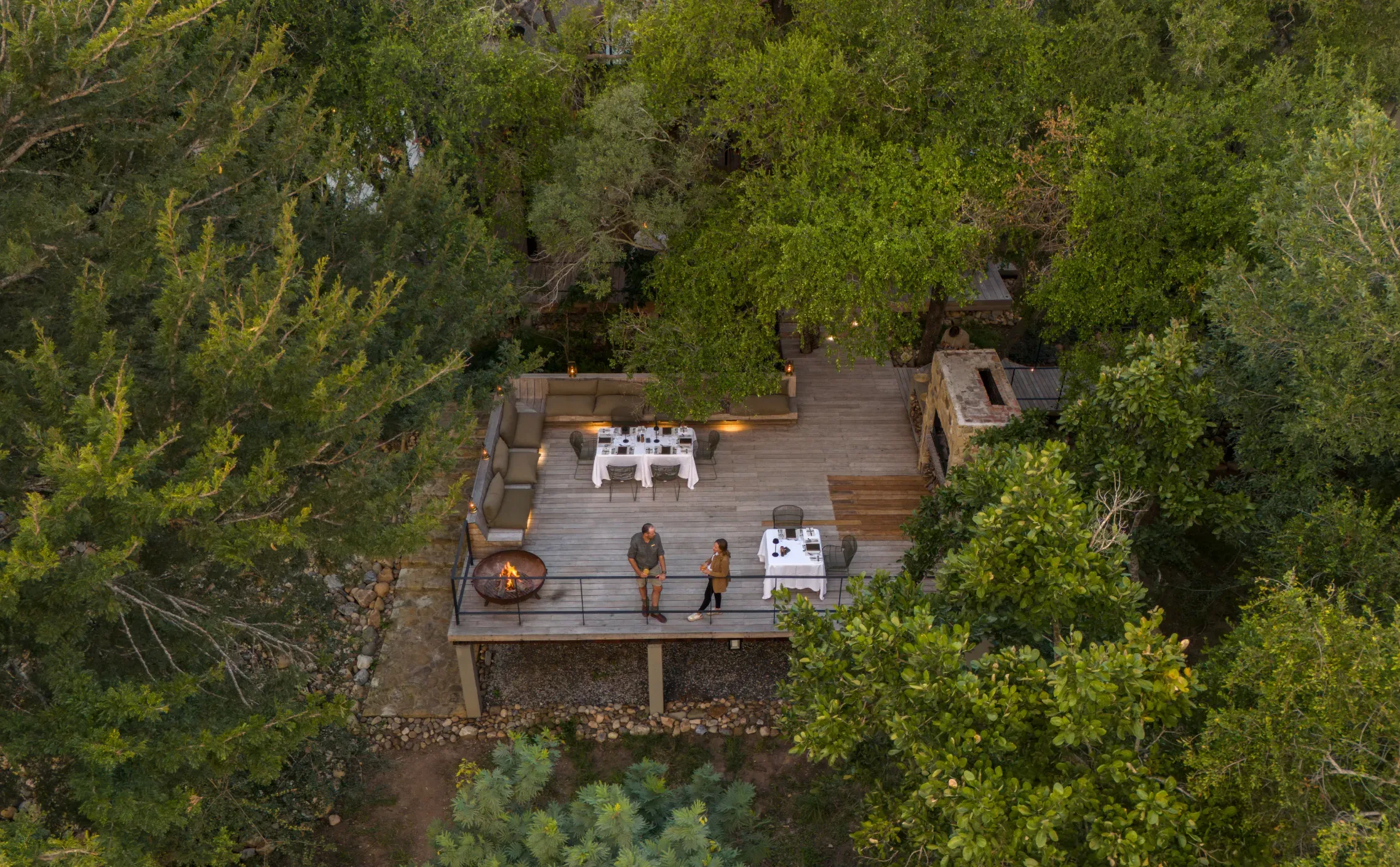
Both seasons at Monwana Game Lodge deliver a full safari experience, from the expertise of the field guides and trackers to the sundowners, the food, and the unhurried hours in between.
The choice comes down to preference, not quality:
- The dry season favours classic visibility, concentrated wildlife, and open bush.
- The green season produces dramatic landscapes, migratory birdlife, and newborn animals.
- Shoulder seasons offer a blend of safari encounters with a quieter lodge and reserve experience.
The dry season and the green season each offer a different view of Africa – and both are worth experiencing. As for the best time to visit Monwana Game Lodge, the answer is simpler than it seems: choose the season that calls to you and let the lodge take care of the rest.
To explore which season suits your travel plans, contact the MORE Collection Journeys team.
Frequently Asked Questions
Is the green season worth it at Monwana?

Yes. The green season offers active wildlife behaviour, migratory birdlife at its peak, and dramatic summer landscapes that the dry season cannot replicate. Newborn animals attract predators, creating some of the most dynamic game-drive sightings of the year. Guests who visit expecting a lesser safari experience often leave with the opposite impression. The storms, the density of the bush, and the energy of the reserve in summer offer a different quality of experience, not a reduced one.
Is it too hot to safari at Monwana in summer?
Summer temperatures in Greater Kruger can be high, particularly in December and January. Game drives run in the early morning and late afternoon, when conditions are comfortable, and the middle of the day is spent at the lodge. Monwana's deliberate pace suits the summer rhythm well. The heat is real, but it does not prevent a full and rewarding safari experience.
When is the best time to visit Monwana to see the Big Five?
The Big Five are present in Greater Kruger year-round, and Monwana's field guides and trackers are experienced at finding them across both seasons. The dry season offers improved visibility and more predictable wildlife concentration around water, which can make Big Five sightings feel more consistent. The green season introduces more dynamic behaviour, particularly around predator-prey interactions. Neither season guarantees specific sightings, but both offer genuine opportunities.
What is the weather like at Monwana in winter?
Winter mornings are cool, particularly before sunrise, and a blanket on the game drive vehicle is a practical comfort. Afternoons warm up quickly and are generally clear and pleasant. Rainfall is rare in winter, and the dry, open days are characteristic of the Greater Kruger dry season. There is no extreme cold, but layers are advisable for early morning and evening game drives from May through August.
Are there fewer animals to see at Monwana in the green season?
No. Wildlife does not leave the reserve in the green season. What changes is how visible animals are, since thicker vegetation reduces open sightlines compared to winter. That said, the green season brings additional wildlife activity: migratory bird species, newborn animals, and the predator behaviour that follows. Monwana's field guides and trackers are skilled at reading the bush in any conditions, and green season game drives are consistently productive.