

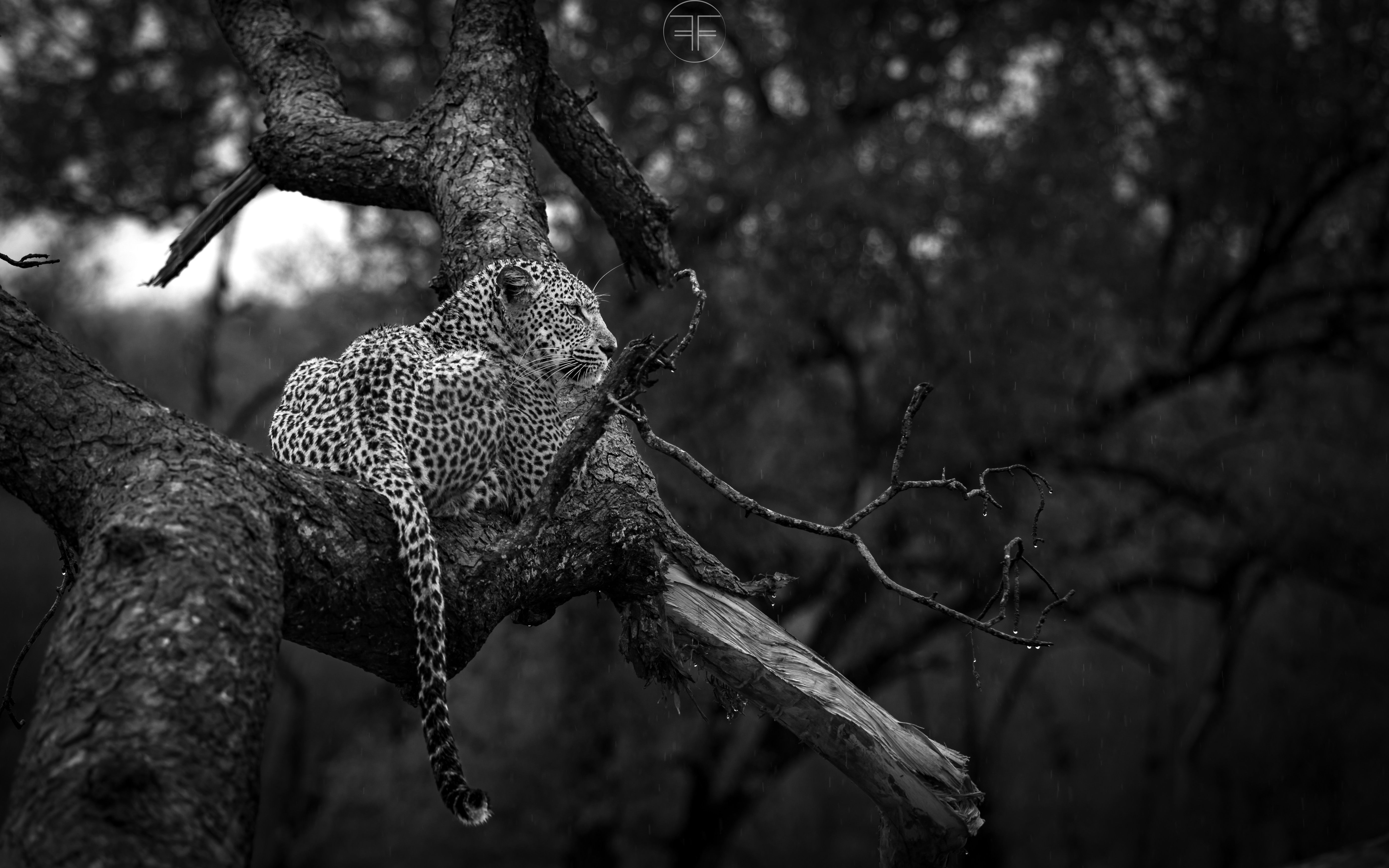
Why are leopard sightings so strong at Lion Sands Game Reserve?

March 27, 2026
One of Africa’s most reliable places for leopard sightings, driven by habitat, water and expert guiding.
Lion Sands Game Reserve - positioned across both the Sabi Sand Nature Reserve and Kruger National Park - is one of the most consistently reliable places in Africa to see leopards - not by chance, but because three conditions come together here: Sabi Sand habitat, the Sabie River ecosystem, and highly experienced field guide and tracker teams. Together, these create a landscape where leopards are not only present but regularly seen - part of the broader Lion Sands safari experience outlined in our guide to What To Know Before You Book.
A decades-long approach to ethical wildlife habituation further strengthens these conditions, allowing for close observation without disrupting natural behaviour. These conditions can be broken down into four factors: habitat, water, territory stability, and tracking expertise.
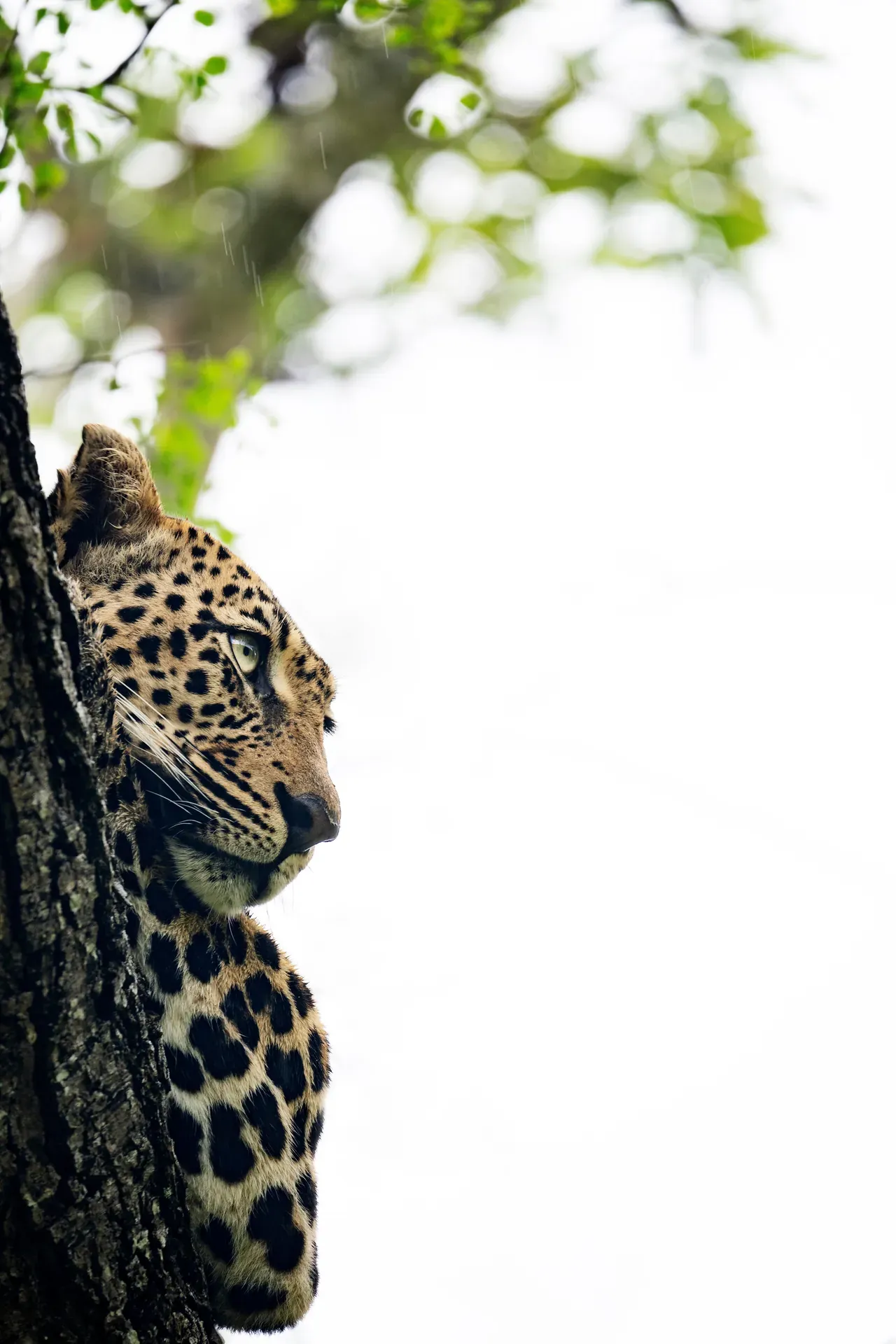
Is Lion Sands one of the best places to see leopards in Africa?
Yes - Lion Sands is widely considered one of the most reliable places to see leopards in the wild. This is not because there are more leopards here than elsewhere, but because the conditions that support sightings - habitat, prey density, habituation, and tracking expertise - are unusually well aligned. In many safari areas, leopards are present but rarely seen. In contrast, Sabi Sand leopards are known for being both present and regularly encountered - particularly along the Sabie River, where sightings are frequent enough to become a defining part of the experience.
Why are leopard sightings so strong in Sabi Sand?
The Sabi Sand Nature Reserve's reputation for leopard sightings is not accidental. It’s the result of two structural conditions that have remained in place over generations. The first is habitat. The Sabi Sand’s varied topography – from rocky outcrops to dense thickets and dry ravines - creates ideal denning conditions and supports a wide range of prey species.
As Riaan Fourie, Head of Safari Operations at MORE Collection, explains: “Leopards will hunt anything from lizards to young giraffes, and the biodiversity of this terrain ensures an abundant and reliable food supply.”
The second is habituation. Some of the older reserves in Sabi Sand pioneered ethical habituation programmes decades ago. Young leopards grew up taking cues from their mothers, gradually becoming comfortable with the presence of safari vehicles operating under strict guidelines.
This is not domestication. The animals remain entirely wild. It simply means that a habituated leopard is less likely to move away from a vehicle, allowing for observation without disrupting natural behaviour.
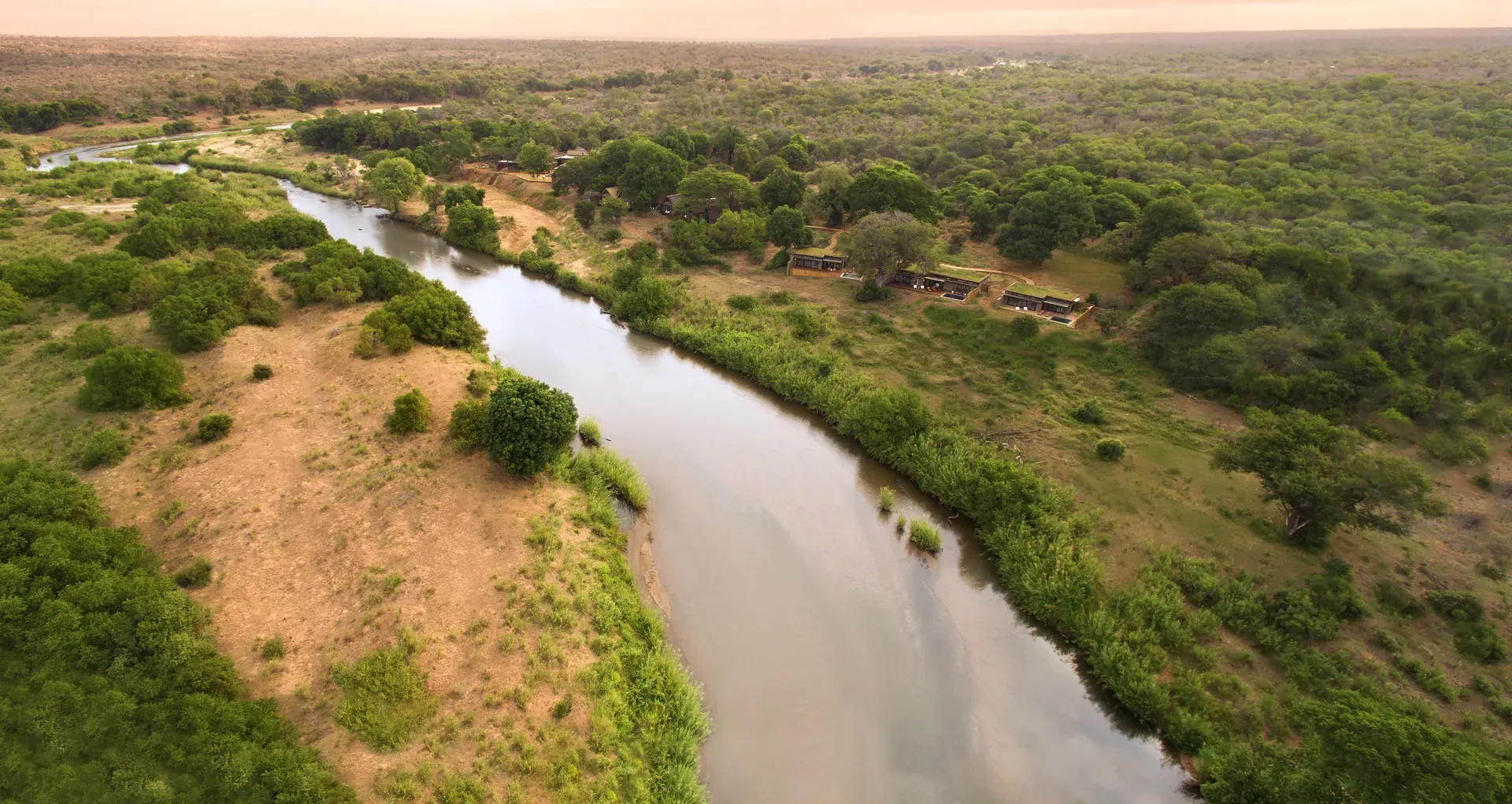
How does the Sabie River increase leopard sightings?
The Sabie River is one of the main reasons leopard sightings are so consistent at Lion Sands. As a permanent water source, it concentrates prey species year-round - particularly bushbuck, nyala, and duiker - which in turn attracts predators.
The Sabie River is one of the main reasons leopard sightings are so consistent at Lion Sands - a system explored in more detail in how the Sabie River shapes wildlife at Lion Sands Game Reserve.
“Water is life, and all animals need to drink,” says Riaan. “Especially in dry years, the Sabie River becomes the only reliable water source in the region. General game concentrates along the riverbanks, and their predators follow.”
The riverine thickets and reedbeds along the Sabie provide ideal hunting ground, supporting a steady food source for leopards. As prey concentrates along the river, leopards structure parts of their territories around this resource. This makes the Sabie River a consistent focal point for predator activity across seasons.
For Lion Sands, this is a defining advantage. The reserve’s position along the Sabie River places it within one of the most active predator corridors in the region. As water draws prey into the area, leopards establish territories around these food sources. Their movements become predictable over time, and that predictability is what makes consistent sightings possible. This is the point where ecology turns into experience - and a defining part of what shapes a stay at Lion Sands.
As Riaan explains, this combination of habitat, prey density, and experience is what turns potential sightings into consistent ones.
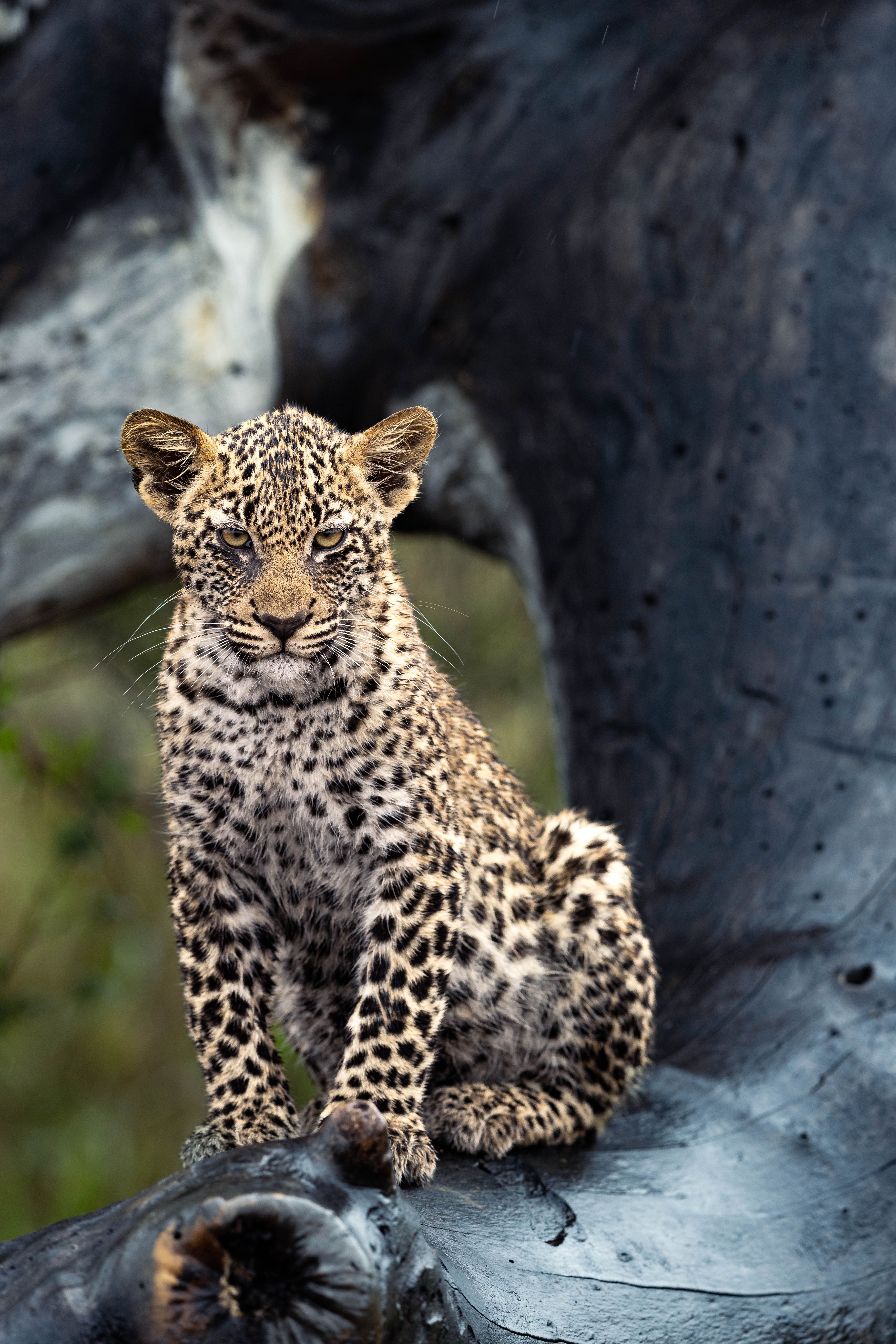
Why do stable leopard territories matter for sightings?
Stable leopard territories are one of the main reasons sightings become predictable. When a leopard holds a defined territory, its movements follow repeatable patterns - between resting sites, hunting areas, and water sources. Experienced field guides and trackers learn these patterns. At Lion Sands, this knowledge builds over years. The field guide and tracker team develops an understanding of individual animals - where a specific leopard rests, how it hunts, and how its territory overlaps with others. This accumulated knowledge turns ecological conditions into actual sightings.
Are leopard sightings guaranteed at Lion Sands?
No - leopard sightings are never guaranteed. Leopards are solitary and elusive animals, and a leopard that does not want to be found will not be seen.
What Lion Sands offers instead is a set of conditions that make sightings consistently likely: stable territories, a productive river system, and highly skilled tracking teams. This balance - strong likelihood without certainty - is what keeps each sighting meaningful.
When are leopard sightings most likely at Lion Sands?
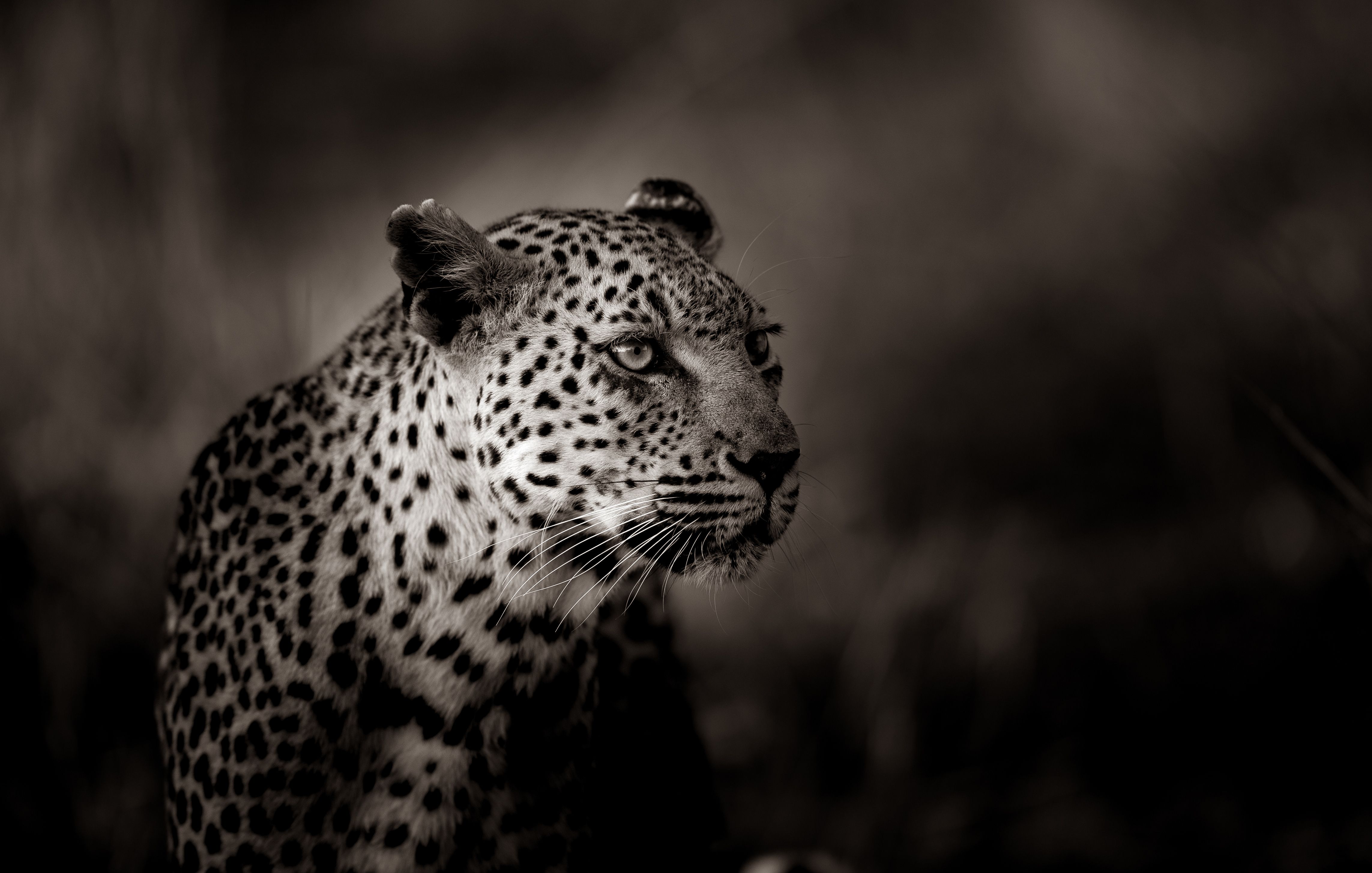
Leopards are most active from late afternoon through the night and into the early morning. “Leopards tend to be most active under the cover of darkness,” says Riaan. “They usually emerge in the late afternoon and remain active until it warms up the following morning.” However, sightings during the day are not uncommon, particularly in cooler weather. On a typical three-day safari at Lion Sands, guests will often encounter a leopard - although sightings are never guaranteed. A leopard that does not want to be found will not be seen, regardless of experience or effort. That unpredictability is part of what makes each sighting meaningful. “No matter how often you see them, their beauty and effortless grace always inspire awe. These shy, seldom-encountered cats remind us of the true essence of a leopard: mysterious, independent, and entirely wild.”
Confident claims backed by the right conditions
Lion Sands does not rely on luck for leopard sightings. It offers something more exact: a landscape where habitat, prey density, animal behaviour, and tracking expertise align to make sightings consistently possible. That is the difference between hoping to see a leopard - and understanding why you are likely to.
Ready to experience this for yourself? Let MORE Collection Journeys help you plan your safari to Lion Sands Game Reserve.